
Sandvik Spare Parts
Compatible rock drill components for Sandvik — 154 parts listed
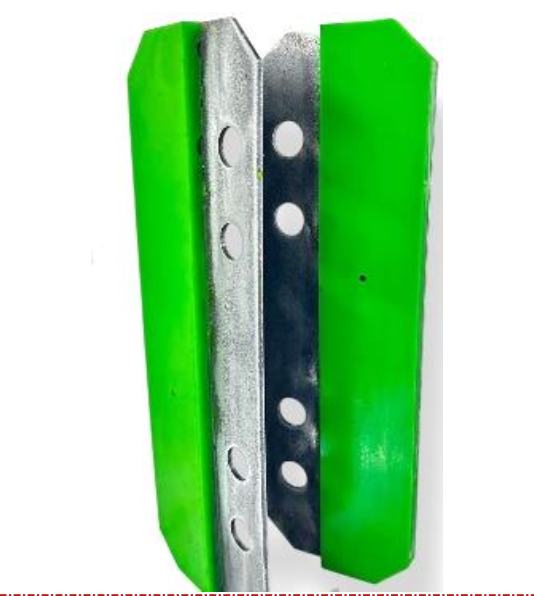
Wearing Piece
A wearing piece is fitted where abrasion is expected and accepted, taking damage that would otherwise fall on structure behind it. The economics are deliberate: this item is designed to be consumed and renewed, while what it shields is not. Leaving one in service past its limit simply moves the wear somewhere far more expensive. Because replacement is anticipated, these parts suit on-site stock and scheduled renewal rather than reactive ordering. Checking condition during routine service takes little time and keeps the decision in the maintenance window rather than the breakdown one. Stalroc quotes this Sandvik reference by part number and ships worldwide to mining and tunnelling operations.
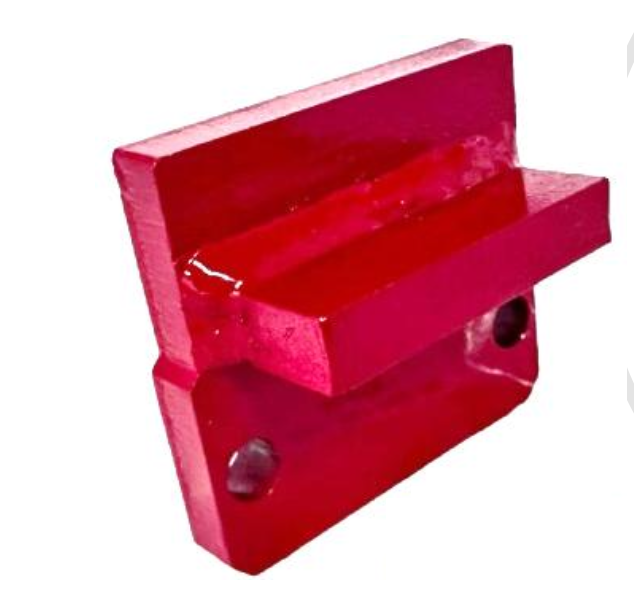
Plate
Load is carried and distributed across a structure by plates like this, tying components together so forces spread rather than concentrate. On mobile drilling equipment they also take impact from the working environment: rock fall, knocks during tramming, and the constant vibration that finds every weakness in a fabricated assembly over time. Damage tends to be visible, which makes inspection straightforward, but distortion is easier to miss than cracking and matters just as much for the alignment of whatever mounts to it. Renewing rather than straightening is usually the sounder call. Where a plate is being renewed, checking the fasteners and mating components at the same time avoids a repeat visit. This Sandvik reference is quoted by part number, with worldwide despatch from Stalroc.
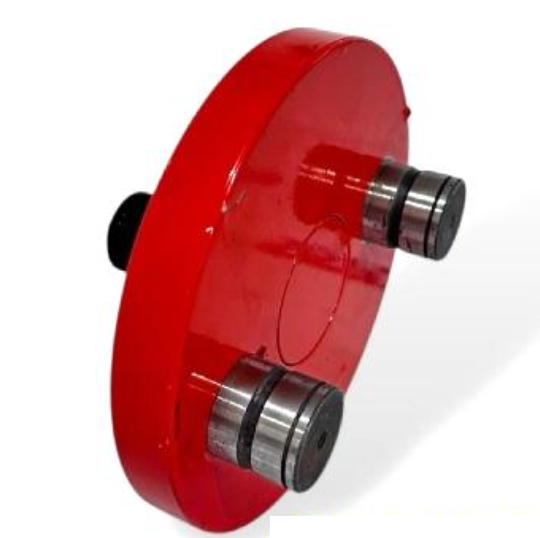
Flange Assembly
A flange assembly forms a bolted joint between components that must stay concentric and sealed under load. On drilling equipment those joints carry vibration continuously, so flange faces and fasteners work harder than the same arrangement would in static plant, and a joint that has begun to move rarely recovers without attention. Supplied as an assembly, the reference brings its parts together already matched rather than gathered separately, which shortens the rebuild and removes the risk of a missing item stopping work on the day. Stalroc quotes this Sandvik part against its manufacturer number, confirms availability before committing, and exports worldwide to mining, tunnelling and quarrying operations.
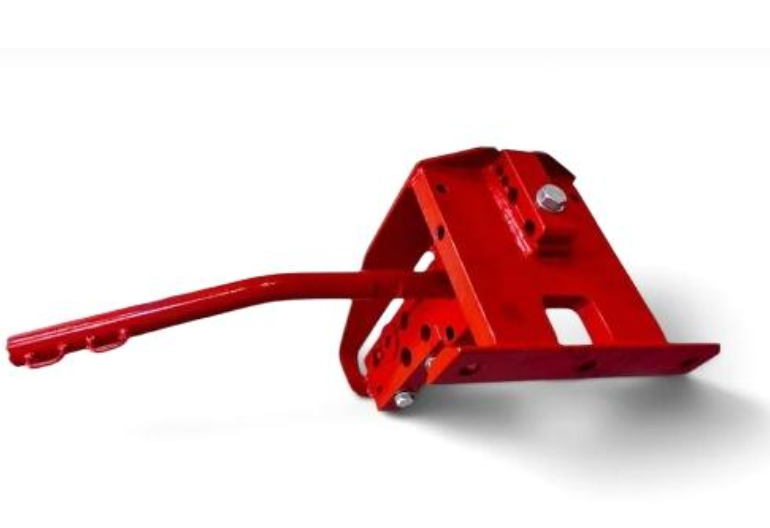
Hose Support Assembly
Routing and restraining hydraulic lines is the job of assemblies like this one, holding them so they are not chafing, stretching or vibrating against structure while the machine works. Unsupported hoses fail early and unpredictably, and a burst line means lost fluid, contamination risk and a machine stopped in a position that is rarely convenient for repair. Supports are easy to overlook precisely because they are not the components that fail — they are the components whose absence causes failures elsewhere. Checking them during routine service is inexpensive insurance against a hose replacement mid-shift. Quote requests for this Sandvik reference are handled by part number at Stalroc, with global export.
Bearing Bushing
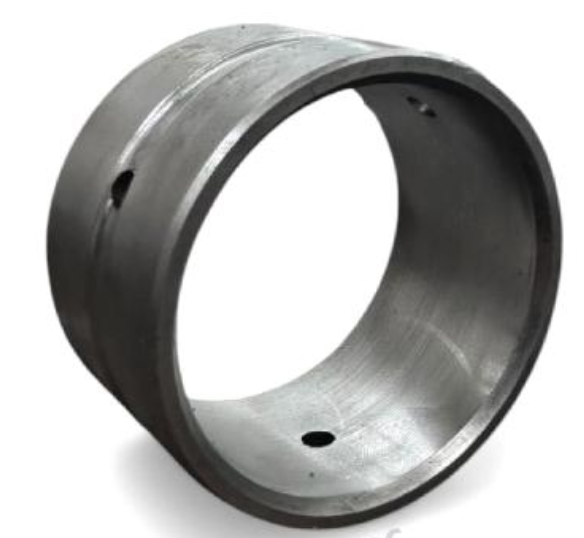
A bearing bushing combines a locating function with a renewable running surface, supporting movement while accepting the wear that would otherwise reach the housing. In a machine subject to percussion, rotation and abrasive contamination at once, that sacrificial role is what keeps major castings serviceable across multiple rebuild cycles. The practical caution is that visually similar bushings differ between drill models and generations, so appearance is not a safe guide. Ordering against the Sandvik reference, checked in the machine's own documentation, removes that risk. Where a rebuild needs several such references at once, quoting them together keeps freight and paperwork to a single consignment. Stalroc confirms availability by part number before quoting and ships worldwide to drilling contractors.
Bearing
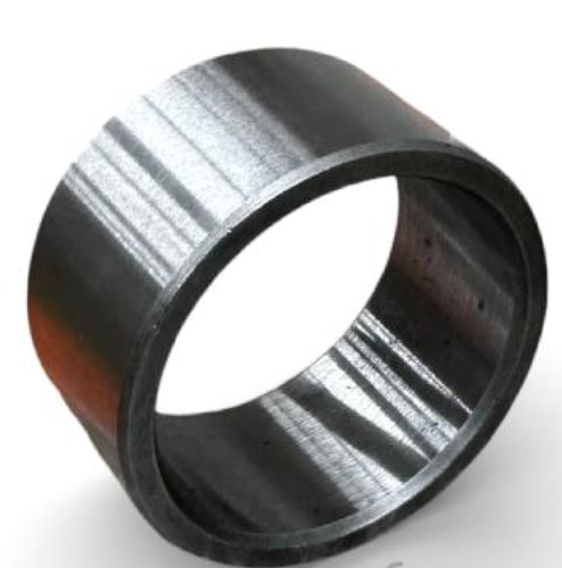
Rotating and oscillating movement under load is supported by bearings such as this, and in drilling equipment they do so with shock loading superimposed on ordinary duty. That combination is what sets rock drill bearing service apart and why intervals are set against machine hours and ground conditions rather than standard catalogue expectations. Renewing a bearing against worn mating surfaces rarely delivers the life the new part was capable of, so the surrounding components are normally assessed at the same time. Quoting them together also keeps the consignment to one shipment. Confirming the reference in the machine's documentation before ordering avoids the mismatches that similar sizes invite. Stalroc supplies this Sandvik part against its number and exports worldwide to mining, tunnelling and quarrying sites.
Bushing
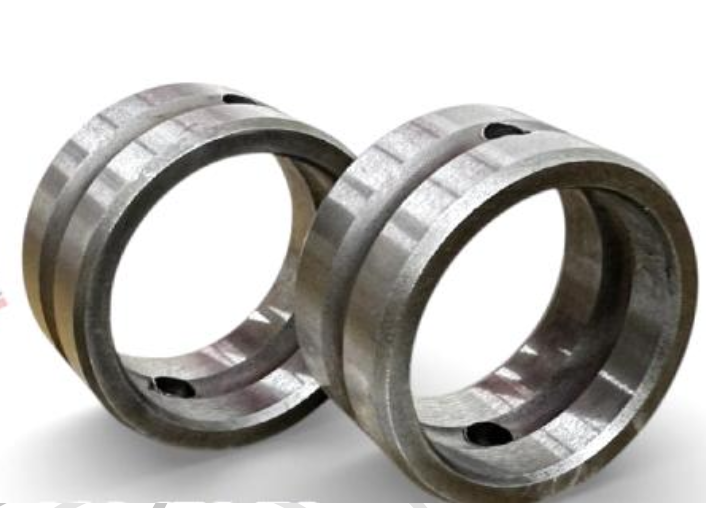
Bearing and sliding surfaces inside drilling equipment are protected by bushings like this one, which take wear onto a replaceable item instead of the housing behind it. The arrangement is deliberate: the bushing is cheap and quick to change, the housing is neither, and the whole maintenance economy depends on renewing the former before the latter is affected. Running past the wear limit reverses that logic, transferring clearance and load into components with long lead times. Most operations therefore replace on drilling hours rather than on symptoms. Since bushings of similar appearance are not always interchangeable between models, the manufacturer reference remains the dependable way to order. Stalroc quotes this Sandvik part by number and exports worldwide, which suits sites keeping a modest buffer stock.
Lock Nut
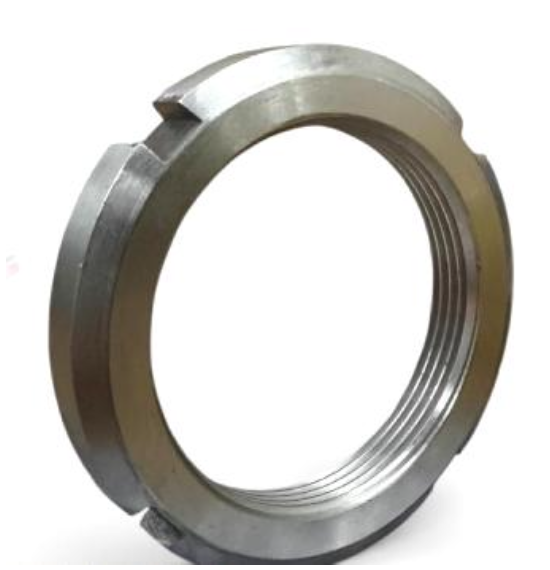
A lock nut secures a threaded joint against the vibration and impact loading that would otherwise loosen it over a working shift. In percussion machinery this is not a formality: the constant shock means threaded connections are actively being worked loose whenever the machine is running, and the locking function is what stands against that. Once a joint has been allowed to move, the mating faces wear and correct clamping becomes difficult to restore without renewing more than the fastener. Fitting the specified reference rather than a general-purpose equivalent is the straightforward safeguard. Stalroc supplies this Sandvik part by number and exports worldwide, typically quoted with the components it retains.
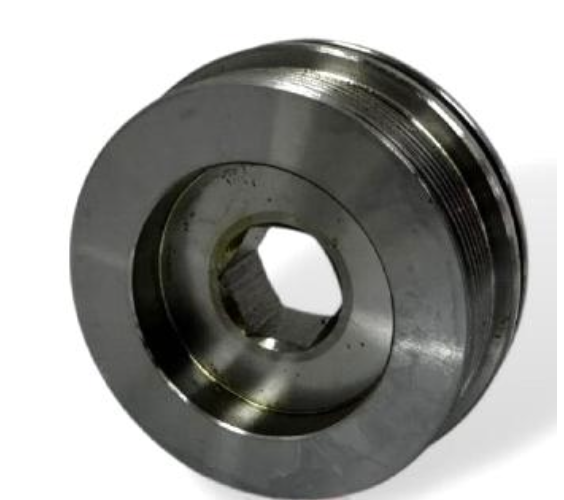
Locking Screw
Adjustment and position are held against continuous vibration by locking screws, and a percussion machine works constantly to undo every threaded joint it contains. A screw that backs off slightly allows movement between clamped faces, which then wear until the joint can no longer be tightened correctly at all. Reusing fasteners through repeated rebuilds is a common shortcut that surfaces later as fretted surfaces on much more expensive components. Fitting the correct reference keeps the joint behaving as designed rather than approximately so, which is the whole point of specifying it. Stalroc quotes this Sandvik part by number, usually alongside the larger assemblies it secures, and ships worldwide to drilling operations.
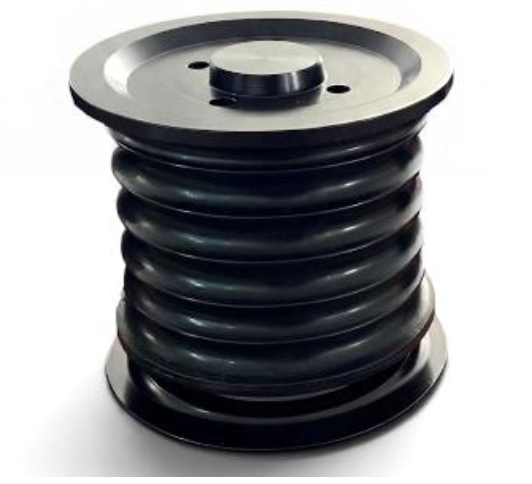
Assembly
Supplied as a complete assembly, this Sandvik reference brings its components together already matched, which removes the guesswork of building the same arrangement from individual parts. That matters in drilling machinery, where mixing new and worn elements in one unit usually shortens the life of everything in it. For procurement, an assembly is generally the simpler route: one reference, one lead time, and no risk of a missing item halting the rebuild on the day. The trade-off is a higher line cost against fewer complications later. Stalroc quotes this part against its manufacturer number, confirms availability before committing, and exports worldwide to mining, tunnelling and quarrying operations.
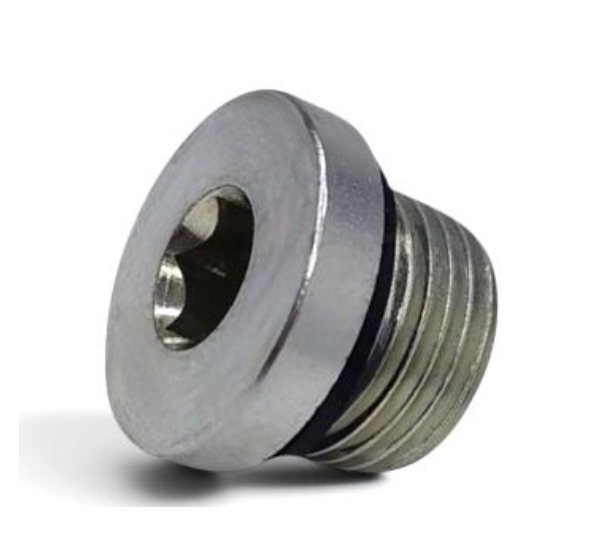
Plug
Ports and passages in hydraulic and lubrication circuits are closed by plugs, whose sealing duty matters far more than their size suggests. One that weeps allows pressure loss and lets contamination into a circuit built to run clean, and tracing that kind of slow leak usually costs more in labour than the component costs to replace outright. Items like this are inexpensive individually but entirely capable of stopping a machine, which is why they belong in on-site stock rather than on a purchase order raised after a failure. Ordering by the Sandvik reference keeps thread form and sealing arrangement correct, where a general-purpose substitute may not. Stalroc quotes this part by number and exports worldwide, usually consolidated with larger orders.
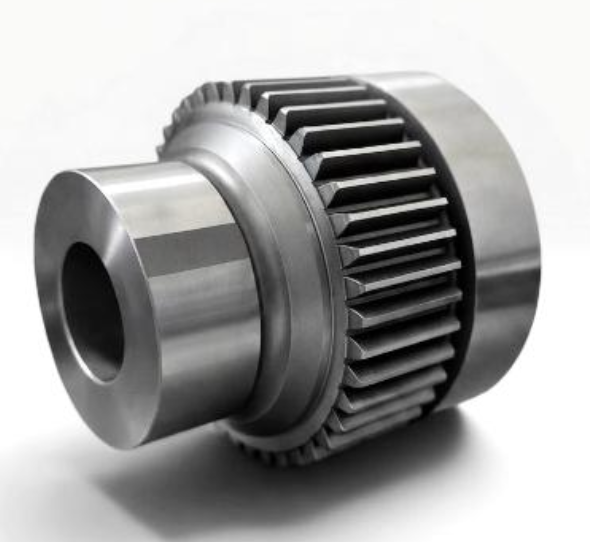
Rotation
Turning the drill string while percussion breaks the rock is the job of this group of components, and the balance between those two actions decides how cleanly a hole advances. When rotation falls out of step with the impact rate, the bit grinds instead of cutting, which shows up as slow progress and unusually fast consumable wear at the face. Parts in this group are normally addressed during a planned overhaul rather than replaced reactively, since diagnosing them individually in the field is rarely practical. Confirming the reference in the parts manual before ordering is the step that prevents an expensive mismatch. Stalroc quotes this Sandvik part by its manufacturer number and exports worldwide to drilling contractors.