
Atlas Copco Spare Parts
Compatible rock drill components for Atlas Copco — 118 parts listed
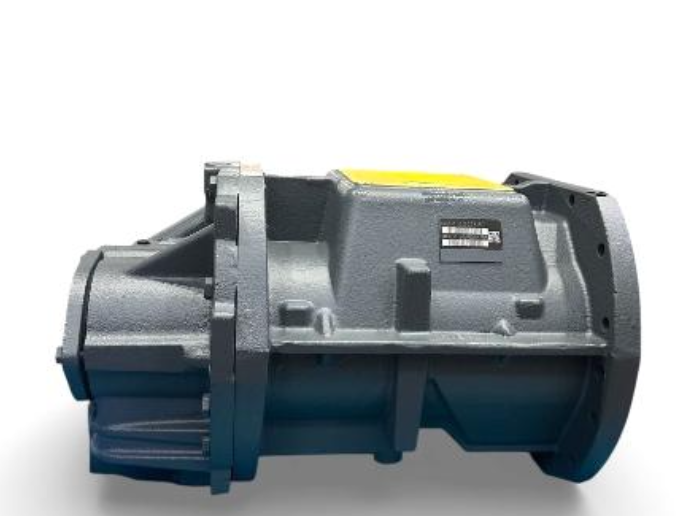
Air Compressor
An air compressor supplies the pressurised air a rig uses for flushing, control functions or auxiliary equipment depending on its configuration. When output falls, the effects appear wherever that air was doing work — most visibly as poorer hole cleaning, which raises consumable wear at the face and slows penetration. Compressor condition is easy to monitor and easy to postpone, and the cost of postponing it accrues quietly in the parts it was supporting. This is a substantial assembly, so lead time deserves consideration in any maintenance plan. Confirming the reference in the machine's parts documentation before committing is worth the time on an item of this size. Stalroc quotes this Atlas Copco reference by its manufacturer number and exports worldwide to drilling operations.
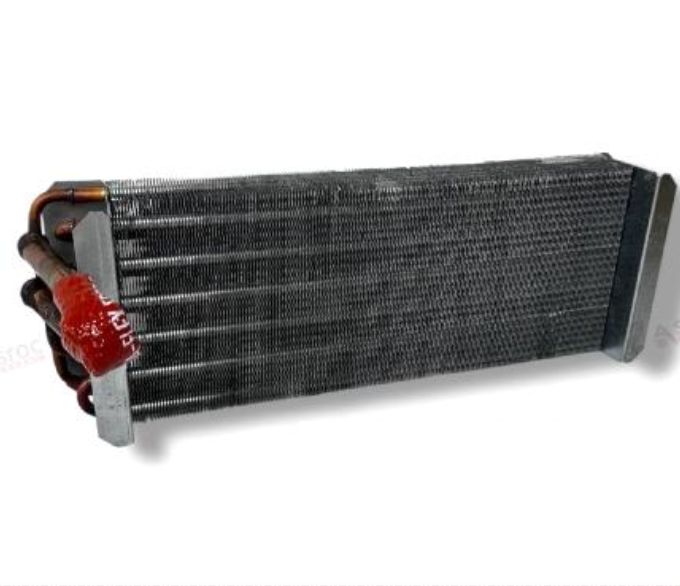
Cool Heater
Cold-weather starting and consistent operating temperature both depend on heating provision, and this component serves that role. Hydraulic fluid that is too cold is thick and slow, which strains pumps and makes a machine sluggish until it warms; running that way repeatedly shortens the life of components throughout the circuit. Equipment operating in cold climates or at altitude relies on this working correctly through the season it is needed, which is precisely when a failure is most disruptive. Checking it before the cold arrives rather than during it is the practical approach. Stalroc quotes this Atlas Copco reference by part number and exports worldwide to mining and tunnelling contractors.
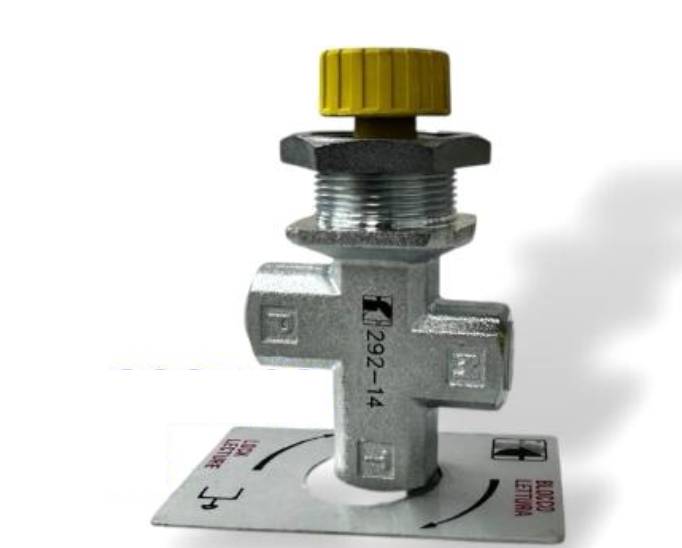
Valve
Hydraulic function depends on valves maintaining their characteristics across many thousands of cycles, and this reference belongs to that group. Internal wear lets flow escape its intended path, and the machine's response softens gradually rather than failing outright, which makes the fault easy to live with and hard to pin down. Abrasive contamination in the fluid causes most of that wear, so filtration governs valve life more reliably than operating hours do. Fitting a replacement without cleaning up the system repeats the problem on a delay. Checking the reference against the machine's hydraulic documentation before ordering removes the guesswork that similar bodies create. Stalroc supplies this Atlas Copco part against its manufacturer number and exports worldwide to drilling contractors.
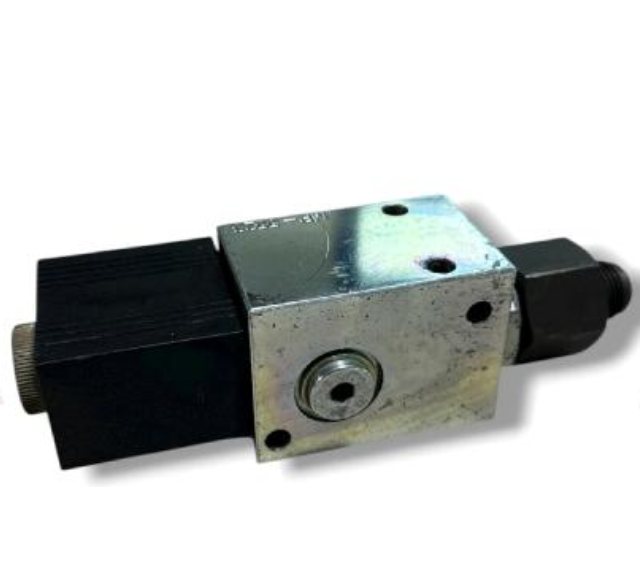
Lubrication Pump
A lubrication pump delivers oil or grease to the points that need it, on a schedule the machine cannot manage without. When delivery falls off, the consequences appear at the lubricated components rather than at the pump, which is why bearing and bushing failures are sometimes treated as isolated events when the supply is the real cause. Lubrication faults are cheap to prevent and expensive to ignore, and verifying delivery during service is quicker than diagnosing the wear that follows its absence. Because the pump protects components worth far more than itself, it is a sensible candidate for on-site stock. Stalroc quotes this Atlas Copco reference by part number, with OEM and aftermarket options where both are available, and ships worldwide to mining and tunnelling operations.
Flow Regulator
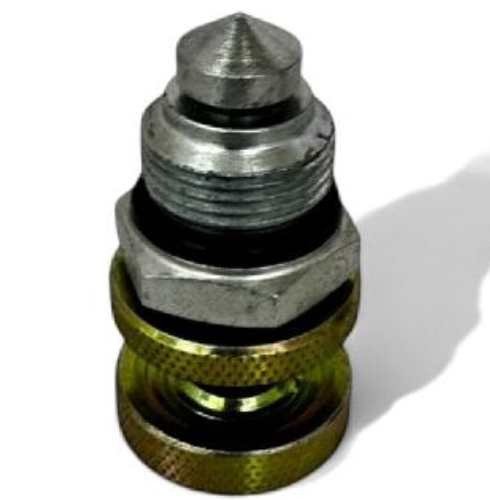
Setting the rate at which fluid passes through part of a circuit is this regulator's function, and that rate governs the speed and smoothness of whatever it feeds. When the setting drifts, movements become inconsistent between cycles, which costs productivity and accelerates wear on the components being driven at the wrong speed. The fine passages that make precise regulation possible are also the first to suffer from contamination, so fluid cleanliness matters more at this point in the circuit than at most others. Confirming the reference before ordering avoids chasing the symptom into components that were never at fault. Send the Atlas Copco part number to Stalroc for a quotation and export lead time.
Steering valve
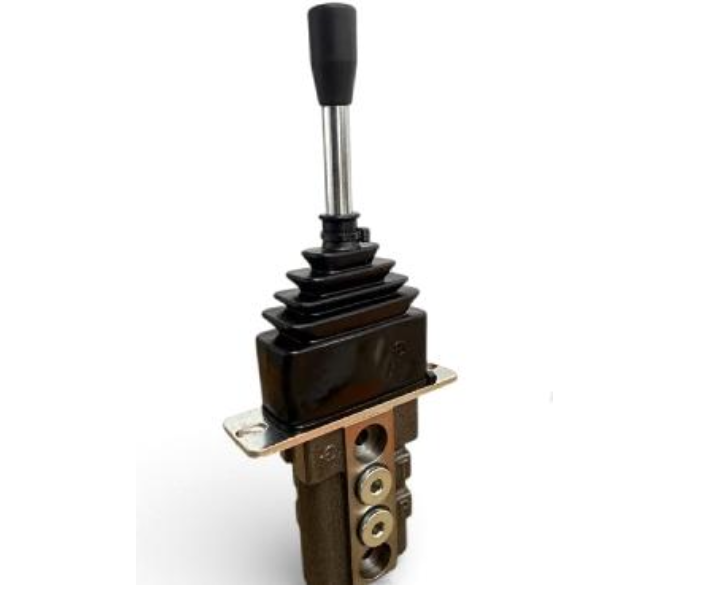
The steering valve translates operator input into the hydraulic flow that turns the machine, which places it among the components where condition matters for safety as well as productivity. Slow or imprecise steering response on a heavy machine in a confined heading is a working problem, not merely an inconvenience. Wear allows internal leakage, and leakage shows up as increased effort, delay between input and movement, or drift when the wheel is held steady. Contamination is the usual root cause, so fluid condition deserves attention alongside the component itself. Given what steering affects, this is one of the references worth holding rather than sourcing urgently. Stalroc quotes this Atlas Copco part by number and exports worldwide to mining, tunnelling and quarrying contractors.
Valve
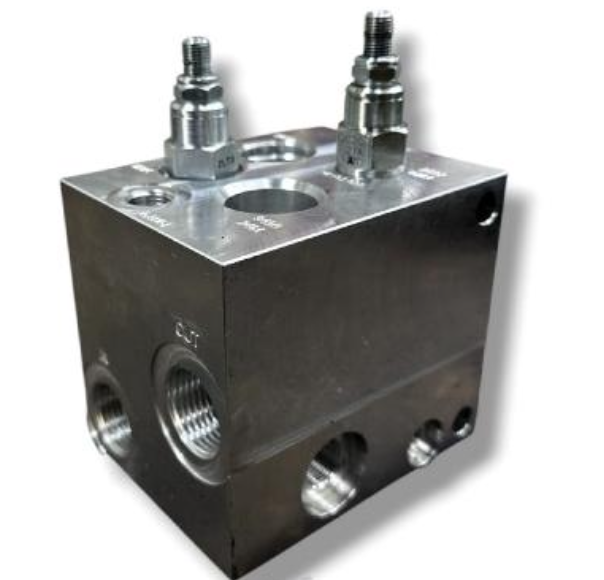
Control of hydraulic flow and pressure rests on valves, and the machine's handling reflects their condition directly. As internal clearances open with wear, part of the flow bypasses its intended path, and the operator experiences that as a rig which no longer responds the way it did without any distinct fault appearing. Since contamination drives that wear, fluid cleanliness predicts valve life better than hours in service. Replacing the valve without improving filtration tends to repeat the exercise sooner than expected. Confirming the reference against the machine's own documentation removes the ambiguity that similar valve housings create. Stalroc quotes this Atlas Copco reference by its manufacturer number, with OEM and aftermarket options where both are offered, and ships worldwide.
Direction Valve
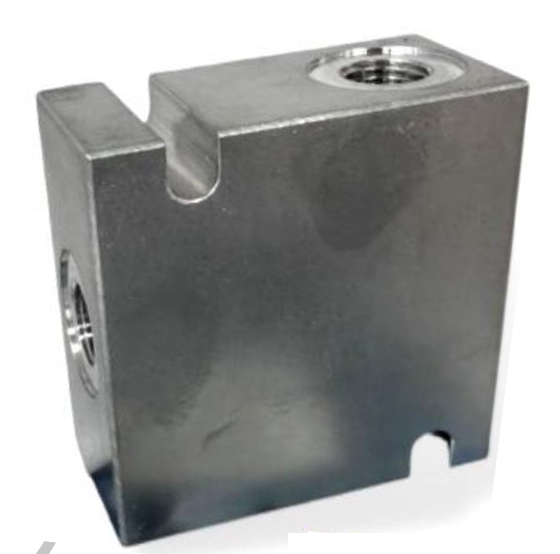
A direction valve determines which way fluid flows and therefore which way a function moves, making it central to how the machine is controlled. Wear in the spool or seats allows internal leakage, and leakage shows up as drift, slow response or a function that creeps when it should hold position. Those symptoms are easy to misread as a pump or cylinder problem, so confirming the valve before ordering larger components is worth the diagnostic time. Fine contamination is the usual cause of the wear in the first place. Improving filtration at the same time is what stops the replacement following the original. Quote requests for this Atlas Copco reference are handled by part number at Stalroc, with global export.
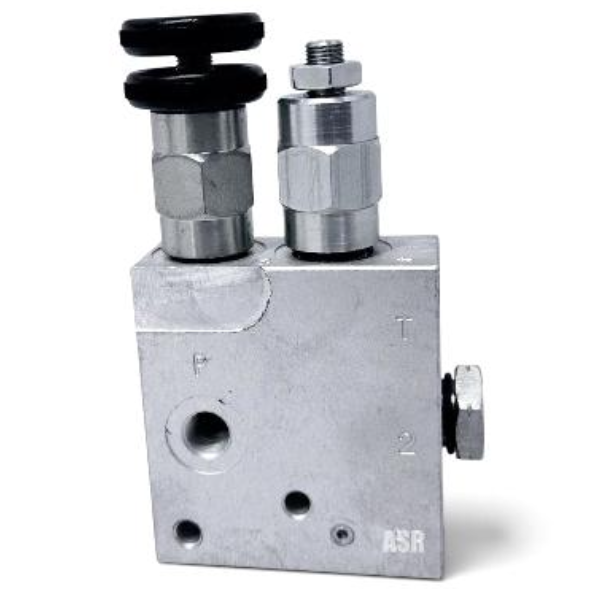
Valve
Hydraulic control depends on valves holding their characteristics over thousands of cycles, and this component belongs to that group. Once wear opens internal clearances, some flow bypasses where it should not, and the machine begins responding less sharply without any single obvious failure to point at. Contamination causes most of that wear, which puts fluid condition and filtration ahead of running hours as the useful predictor of valve life. Addressing the system alongside the component is what makes a replacement last. Recording the reference during a service, rather than searching for it during a breakdown, is the habit that keeps these orders straightforward. Stalroc supplies this Atlas Copco reference against its part number, quoting OEM and aftermarket options where available, and exports worldwide.
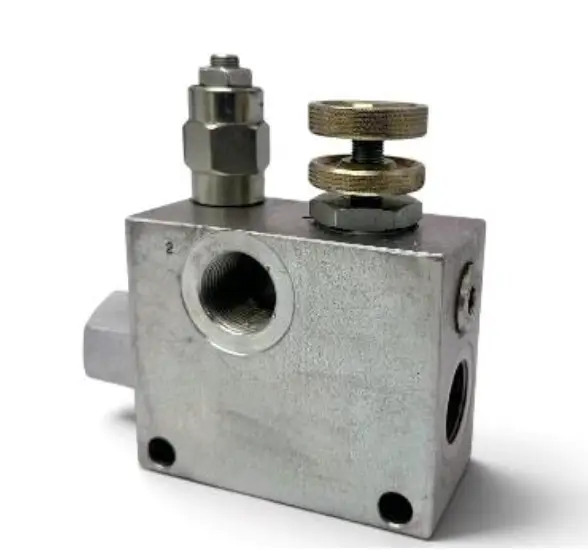
Flow Regulator
A flow regulator sets the rate at which fluid moves through part of a circuit, and that rate determines the speed and control of whatever it feeds. Drift here produces movement that is too fast, too slow or inconsistent between cycles, which affects both productivity and the wear rate of the components being driven. Regulators are sensitive to contamination, as the small passages that make precise control possible are the first things fine particles obstruct. Fluid cleanliness therefore matters more here than in most of the circuit. Because a regulator governs the behaviour of everything downstream of it, confirming the reference before ordering saves chasing the symptom through the rest of the circuit. Stalroc quotes this Atlas Copco part by its manufacturer number and exports worldwide to drilling contractors.
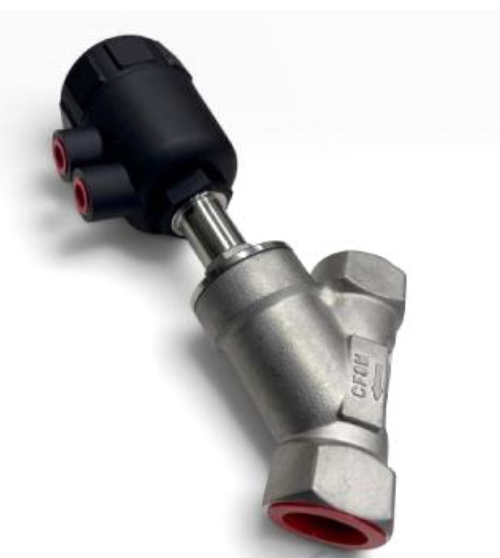
Valve
Directing flow and regulating pressure is what valves do, and how well they still do it decides how a rig handles from the cab. Deterioration is usually progressive: response softens, movements lose precision, and the machine's behaviour changes gradually enough that operators compensate without registering a fault. Most of that wear traces back to contamination rather than pressure, so filtration and fluid condition determine valve life more than duty hours. A replacement fitted into an unclean system inherits the same fate as the part it replaced. Where both routes are available, comparing cost against lead time usually settles the decision quickly. Stalroc quotes this Atlas Copco reference by part number, with OEM and aftermarket options where both exist, and ships worldwide.
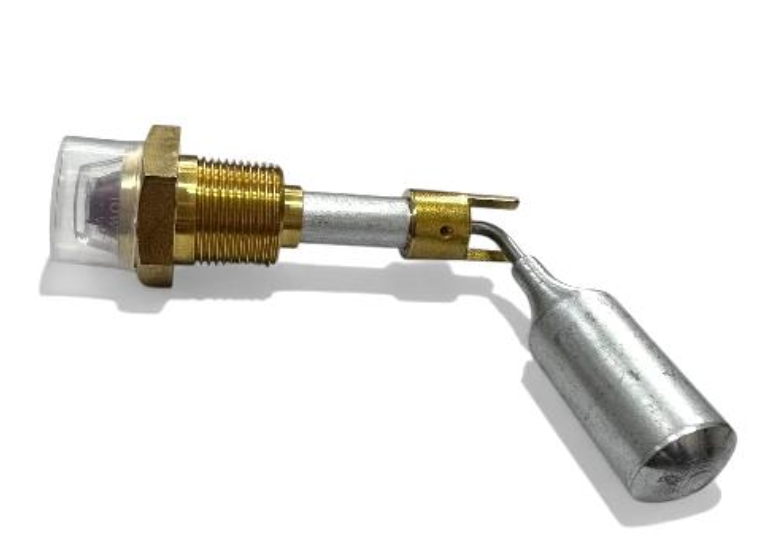
Level Gauge
A level gauge lets the operator confirm fluid quantity at a glance, which sounds minor until the consequence of running a hydraulic or lubrication system low is considered. Low fluid means aeration, overheating and pump damage, and pumps are among the more expensive items on any rig to replace unexpectedly. Gauges are cheap, easy to check and easy to ignore once cracked or clouded, at which point the crew is effectively running blind on a system that gives little warning before it protests. Renewing one is a small job with a disproportionate return, and it is the kind of item worth holding on site rather than ordering singly. Because gauges are specific to the housing and thread they fit, ordering against the manufacturer reference avoids a part that cannot be installed. Stalroc quotes this Atlas Copco reference by part number and exports worldwide.