
Atlas Copco Spare Parts
Compatible rock drill components for Atlas Copco — 118 parts listed
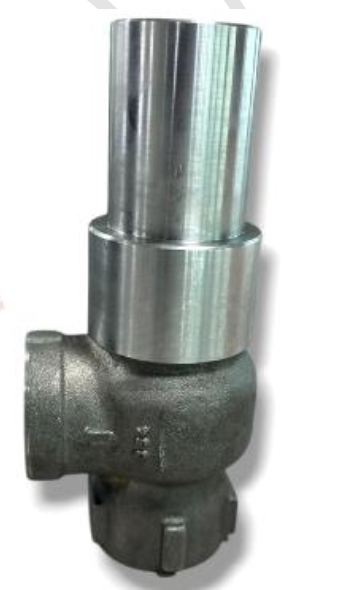
Valve
Flow and pressure inside a hydraulic circuit are governed by valves, and this component forms part of that control. Its condition determines whether the machine responds crisply or has developed the vague, slow behaviour that crews learn to work around rather than report, which is why valve faults often persist far longer than they should. The practical lever on valve life is fluid cleanliness, since abrasive contamination wears spools and seats far more effectively than pressure cycling does. Fitting a new valve into a dirty system rarely lasts. Cross-checking the reference in the machine's hydraulic schematic before ordering avoids the confusion that similar valve bodies create. Stalroc quotes this Atlas Copco part by its manufacturer number and exports worldwide to drilling operations.
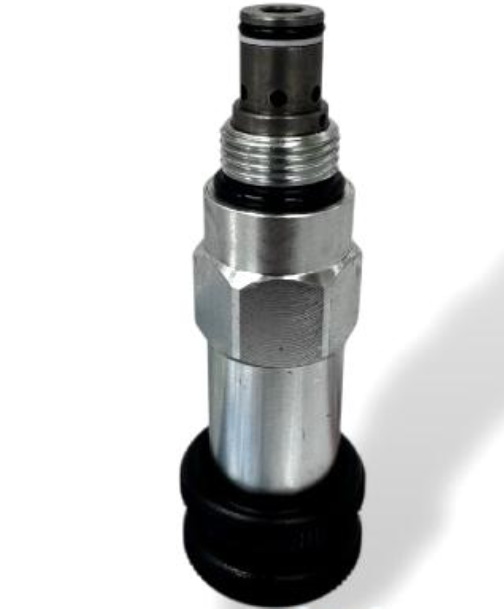
Valve
Hydraulic circuits depend on valves to direct flow and hold pressure where the design intends, and a rig's responsiveness is largely a reflection of how well they still do that. Wear here tends to be gradual rather than sudden, producing sluggish or imprecise movement that operators adapt to long before anyone raises a fault report. Because contamination drives most valve wear, fluid cleanliness has more influence on service life than running hours. Renewing a valve without addressing filtration usually shortens the life of the replacement. Keeping a spare against a known service interval is generally cheaper than sourcing one against a stopped machine. Stalroc supplies this Atlas Copco reference against its part number and ships worldwide to mining, tunnelling and quarrying contractors.
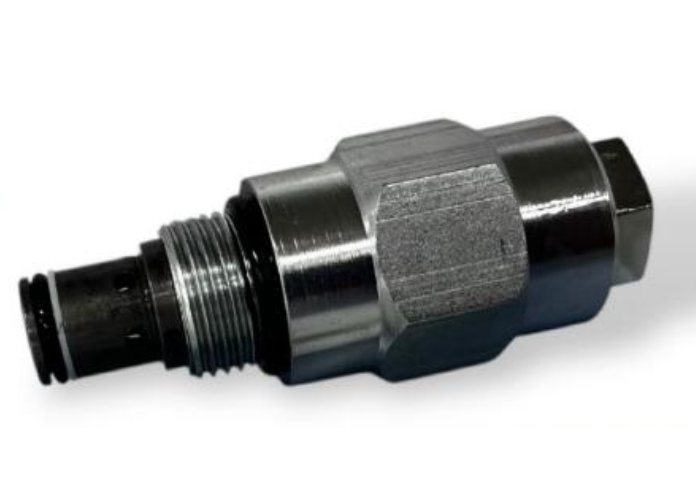
Valve
Where hydraulic flow goes and at what pressure it arrives is decided by valves, which makes them the components that decide how a rig actually behaves under the operator's hands. When one drifts out of specification the symptom is rarely dramatic: movements become slower or less precise, and the fault is often chased elsewhere in the circuit before the valve is suspected. Contamination is the usual culprit, since fine particles in the fluid wear spools and seats faster than pressure alone ever would. Fluid condition therefore governs valve life more than operating hours do. Stalroc quotes this Atlas Copco reference by part number, with OEM and aftermarket options where both are available, and exports worldwide.
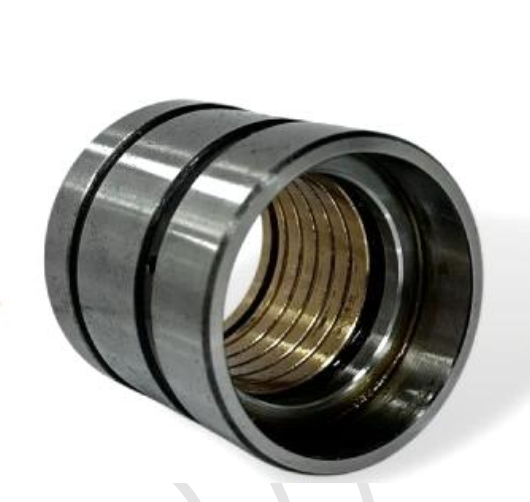
Piston Guide
A piston guide keeps the striking element travelling true through its stroke, holding alignment against the side loads that percussion inevitably produces. Alignment governs whether impact energy arrives squarely where it should, and a worn guide lets the piston work slightly off axis with consequences that appear downstream rather than at the guide. Those consequences read as falling penetration rate, heavier vibration and uneven wear on the components the piston strikes. Because several faults produce similar symptoms, guides are normally renewed during scheduled overhaul rather than diagnosed alone. Stalroc quotes this Atlas Copco reference by part number and exports worldwide to drilling contractors.
Driver
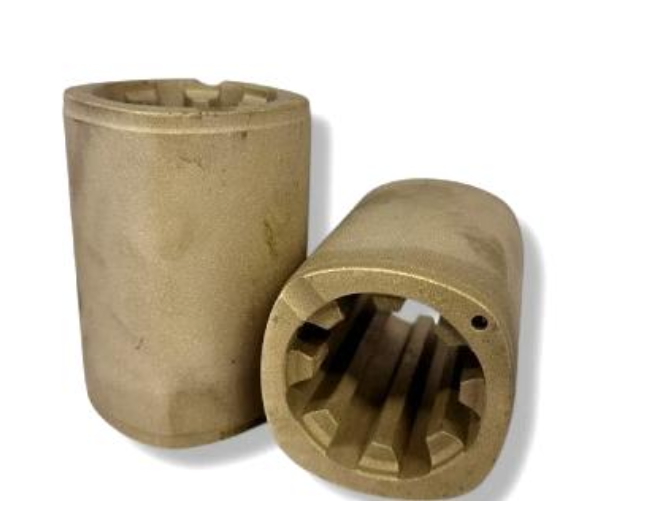
The driver forms part of the path that carries rotational movement to the drill string, and the whole chain is only as good as its loosest joint. Wear introduces backlash; under percussion that backlash becomes hammering, which then damages the components on both sides rather than remaining contained. Items in this group are replaced together during overhaul, since a single new part working against several worn ones simply moves the wear along. Checking each reference against the machine's parts manual avoids fitting a component built for a different drill generation. Recording the references while the unit is apart saves searching for them under time pressure later. Stalroc quotes this Atlas Copco part by number and exports worldwide to drilling contractors.
Connect Plate
The connect plate, part 3115 5043 10, joins two sections of an Atlas Copco assembly at a bolted or pinned interface, and its role is purely to hold alignment between the parts it connects. A plate that has distorted, even slightly, throws off that alignment for everything mounted through it, not just at the joint itself. Because the plate itself carries little wear in normal service, damage to it usually comes from an overload event elsewhere in the assembly, which makes it worth inspecting whenever a connected component has failed rather than assuming it is unaffected. Stalroc quotes this Atlas Copco reference by part number and exports worldwide to mining, quarrying, and construction contractors.
Sleeve
The sleeve, part 3115 0824 00, is a sacrificial liner that carries rotating or sliding load so the surrounding bore does not wear directly, and it is deliberately the softer of the two mating surfaces. Once its clearance opens up beyond tolerance, the load it was protecting the housing from starts reaching the housing itself. Because the sleeve wears from the inside out, play can develop well before any wear is visible from outside the assembly, which is why clearance is usually checked by measurement rather than by eye during scheduled service. Stalroc quotes this Atlas Copco reference by part number and exports worldwide to mining, quarrying, and drilling contractors.
Gear Wheel
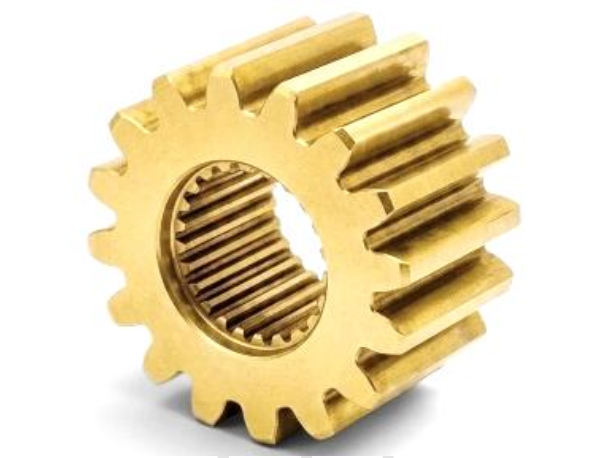
Power transmission through a rotation unit depends on gearing, and tooth condition determines whether that transfer stays smooth or begins shock-loading its neighbours. Damage in a gear train seldom remains local: a failing tooth profile puts uneven load into the components on either side, and they deteriorate in turn. Gears are renewed during a rotation unit overhaul rather than singly, with mating components quoted at the same time so the unit reassembles with matched wear. Leaving a marginal gear to save one line on the order usually brings the next strip-down forward. Assessing the mating components while the unit is open is what makes the renewal worth the downtime. Quotations are handled against the Atlas Copco part number, with worldwide export from Türkiye.
Liner
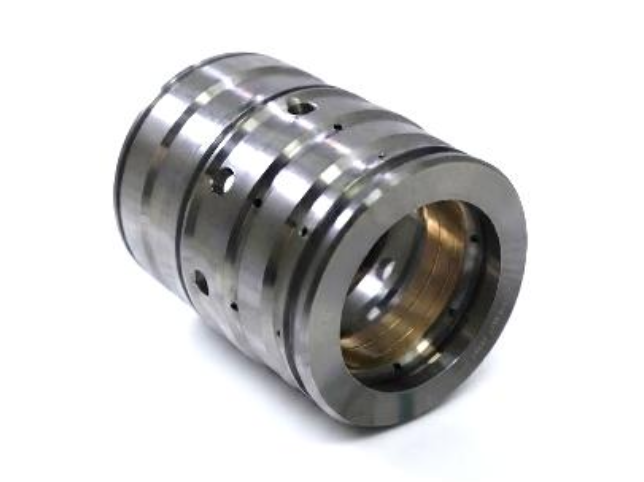
A liner provides a renewable working surface inside a housing, taking the wear that would otherwise fall on the casting around it. The arrangement is deliberate and economic: the liner is designed to be consumed and replaced, while the housing behind it is expected to serve through many such cycles. Running a liner past its wear limit reverses that logic entirely, transferring clearance and load into a component that is slow and expensive to obtain. Replacement against drilling hours rather than against symptoms is the standard approach for this reason. Because liners are matched to the housing they sit in, the manufacturer reference is the only dependable way to order one. Stalroc sources this Atlas Copco reference against its part number for export worldwide.
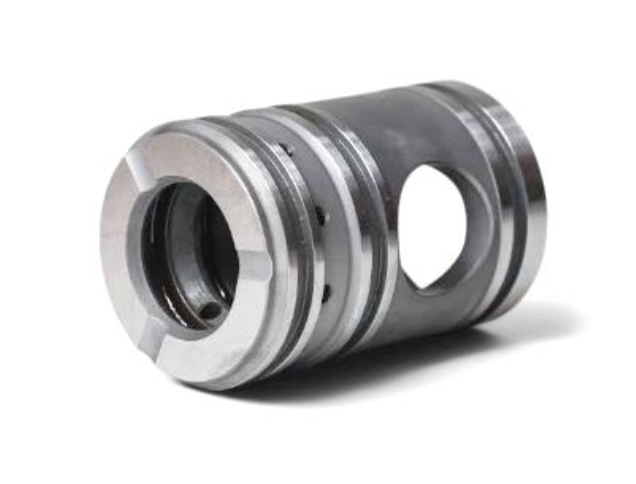
Flushing Head
The flushing head directs air or water into the drill string to carry cuttings out of the hole. Flushing is easy to take for granted until it degrades, at which point cuttings that are no longer evacuated grind against bit and rod, raising wear across the whole string and slowing penetration well before the cause is identified. Because poor flushing damages consumables faster than it damages itself, the case for keeping this component in order rests on what it protects rather than on its own cost. Checking flushing performance during routine service is quick and costs nothing beyond the time. Where the head is renewed, inspecting the passages it feeds at the same time avoids repeating the job. Stalroc quotes this Atlas Copco reference by part number and exports worldwide.
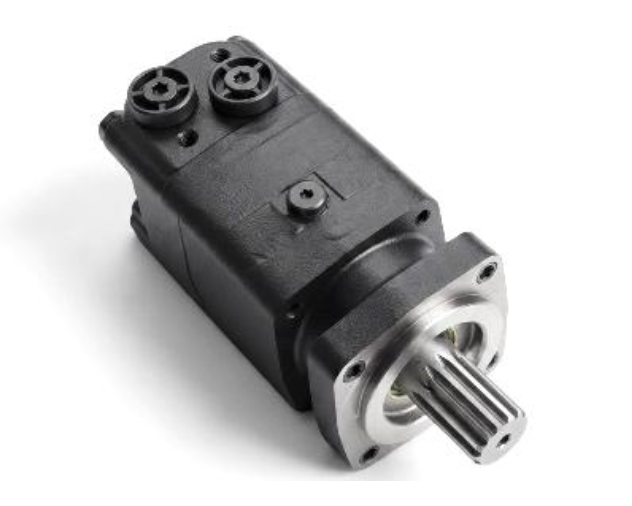
Hydraulic Motor
A hydraulic motor converts fluid flow into the rotational drive a function requires, and its output sets what that function can achieve. Falling performance rarely announces itself as a fault: the machine simply does less, more slowly, and the cause is often sought in the circuit before the motor itself is examined. Contamination wears the close-fitting internal components that make a motor efficient, so fluid cleanliness predicts service life better than operating hours. This is a substantial assembly with a meaningful lead time, which makes it a planning item rather than a reactive purchase. Stalroc quotes this Atlas Copco part by number with OEM and aftermarket options where both exist, and exports worldwide to mining and tunnelling operations.
Washer
A washer distributes clamping load across a joint face and protects that surface from the fastener turning against it. On percussion machinery the function matters more than it does in static assemblies, because vibration works the joint continuously and an unprotected face fretted by a fastener cannot be clamped properly again. Washers are among the cheapest components on any machine and among the most frequently reused, which is precisely the habit that damages the surfaces they exist to protect. Renewing them with the fasteners is the straightforward practice. Ordering against the manufacturer reference keeps thickness and bearing area correct, which a general-purpose substitute may not. Stalroc quotes this Atlas Copco reference by part number and ships worldwide.