
Catalog: Stalroc Industrial
Browse heavy-duty drilling components engineered for extreme environments.
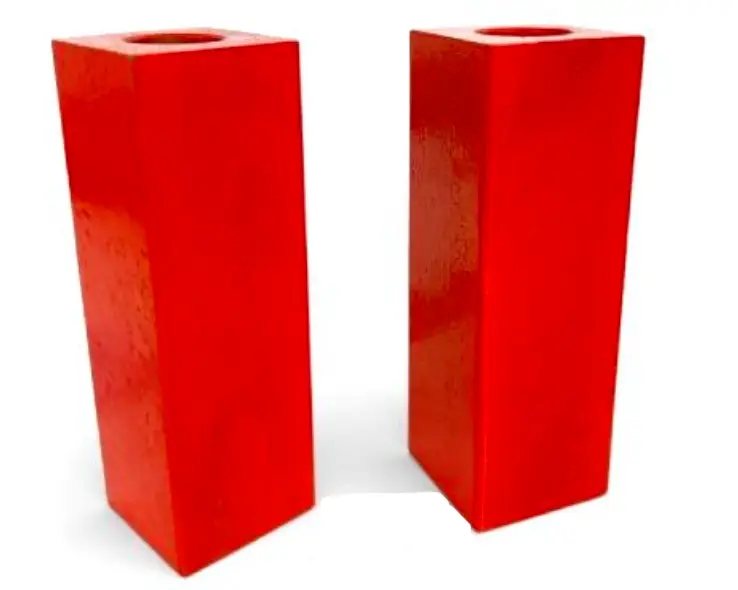
Plate
Load is spread across a structure by plates like this one, tying components together so forces distribute rather than concentrate at a few points. On mobile drilling equipment they also absorb knocks from the working environment and the constant vibration that finds every weak point in a fabricated assembly over time. Visible damage is easy to assess, but distortion is subtler and matters just as much for the alignment of whatever mounts to it. Renewing rather than straightening keeps that geometry honest. Ordering against the manufacturer reference avoids the close-but-wrong substitutions that plain fabricated parts invite. Stalroc quotes this Sandvik part by number and exports worldwide to mining, tunnelling and quarrying operations, with related fasteners quoted alongside where required.
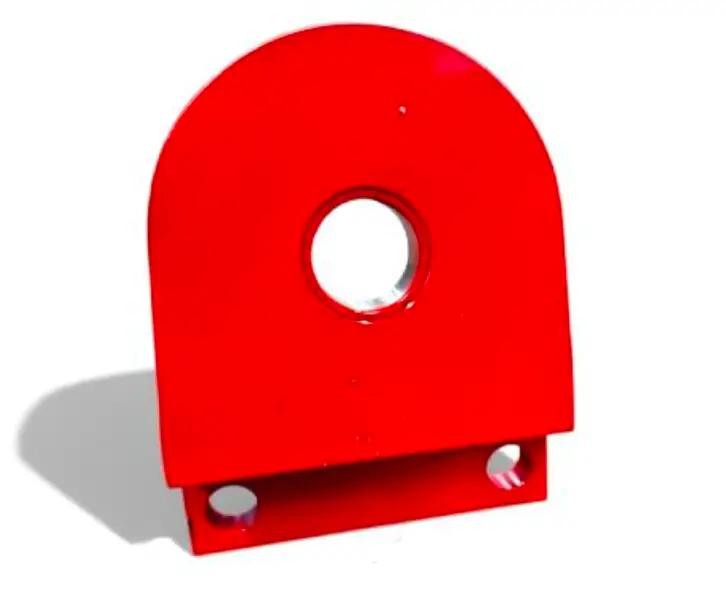
Mounting
A mounting locates and secures a component to the machine's structure, holding position against vibration that never stops while the equipment runs. What looks like a simple bracket is doing continuous work: every operating hour tries to loosen and fatigue the connection it forms. Wear or cracking here allows movement, and movement puts the mounted component out of position while accelerating fatigue at the fixing points. Inspecting mountings alongside the equipment they carry is the practical habit, since a failure here is felt by whatever it was holding. Stalroc quotes this Sandvik reference by part number and exports worldwide to drilling contractors, with fixings priced in the same enquiry where useful.
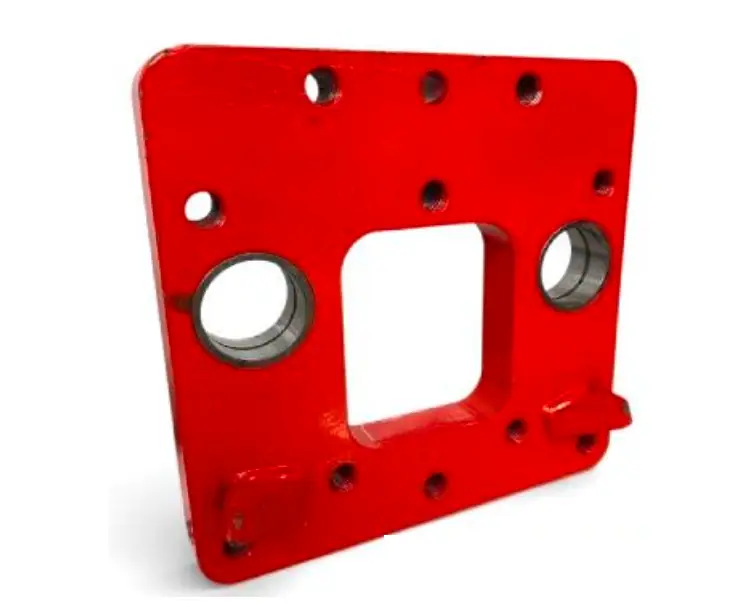
Front Plate
A front plate closes and protects the forward face of an assembly, taking impact and abrasion from the working environment while holding the components behind it in position. On drilling equipment the forward face is where debris arrives, which makes this both a structural and a protective item rather than simple bodywork. Distortion matters more than surface marking, because a plate that is no longer flat misaligns what mounts to it and relocates the wear. Renewing rather than straightening is usually the better decision on a part that sets position. Where the plate is renewed, checking its fasteners and mating faces at the same time avoids a repeat visit. Stalroc quotes this Sandvik reference by part number and exports worldwide to mining, tunnelling and quarrying contractors.
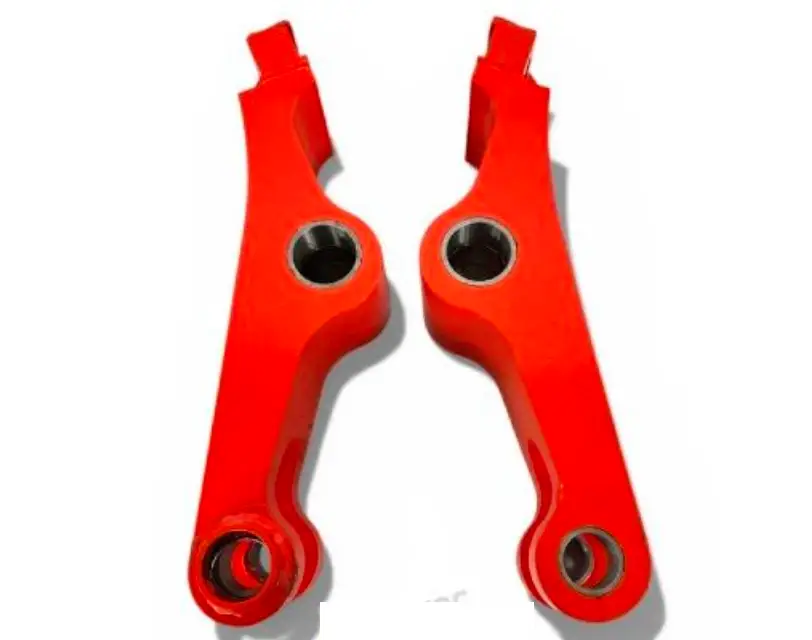
Arm
Positioning equipment where the work requires it is the arm's function, carrying both the mass it holds and the reaction forces generated in use. The loading is combined rather than simple — bending and torsion together — and in practice the pins and bushings at each joint wear long before the structure does. Because play accumulates from joint to joint, slack that looks minor at one pivot translates into meaningful positioning error at the working end. Renewing the wear items on schedule keeps that error in check. Checking the reference against the machine's parts manual first avoids ordering an arm built for a different configuration. Stalroc quotes this Sandvik part by number and exports worldwide to drilling contractors, with the associated pins and bushings quoted alongside where useful.
Frame
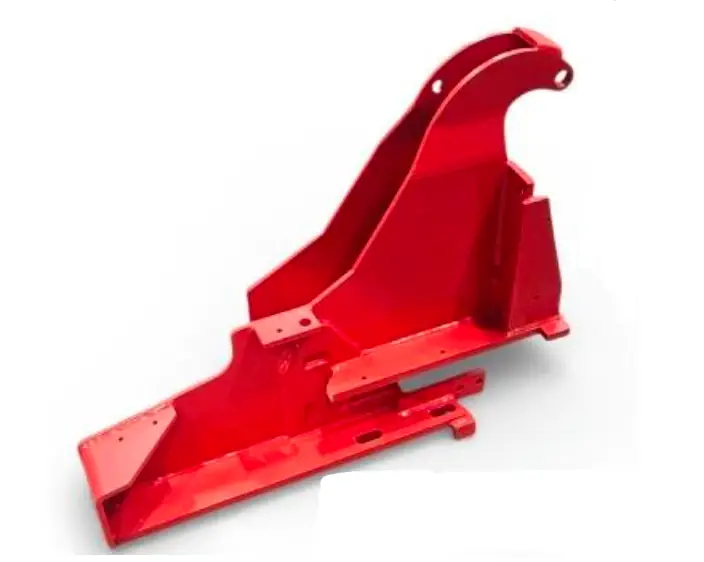
The frame provides the structural backbone that carries operating loads into the machine's supporting structure. Geometry is what matters most: components mounted to a frame that has shifted through impact or fatigue no longer sit where the design intended, and the wear that follows appears at those components rather than at the frame. Distortion is harder to spot than cracking and matters more, which makes careful inspection worthwhile whenever the machine is stripped. Renewing rather than repairing is often the sounder call on a structural item. Given the lead times structural items can carry, planning the order around a known shutdown is worth the effort. Stalroc quotes this Sandvik reference by part number and exports worldwide to mining, tunnelling and quarrying sites.
Gradle
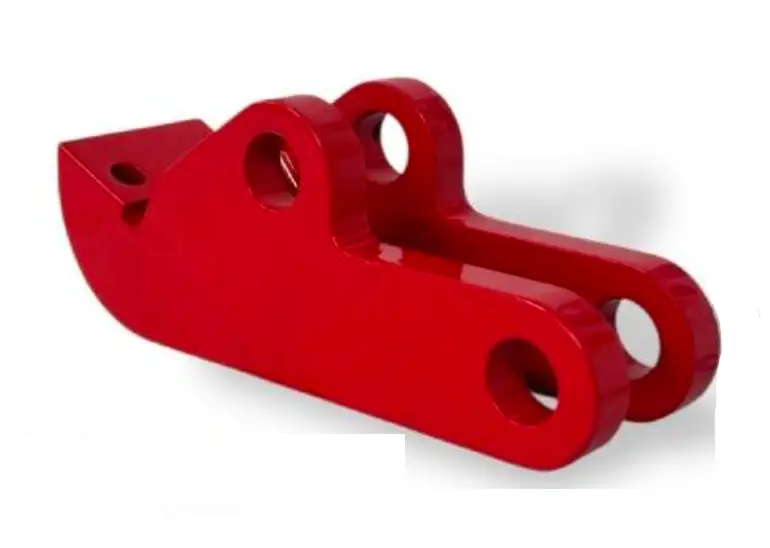
A cradle supports and locates equipment on the machine, holding it in position while it works and absorbing the forces it generates. Support structures of this kind take vibration continuously, and their fastenings are worked on constantly by a machine that never stops shaking while it operates. Distortion or damage here shifts the alignment of whatever the cradle carries, and misalignment moves wear to components that were never meant to take it. Inspecting mountings and fasteners alongside the structure itself is the practical habit. Where the structure is being renewed, quoting its mounting hardware in the same enquiry keeps the job to one shipment. Stalroc confirms availability on this Atlas Copco part number before quoting, and exports worldwide.
Arm
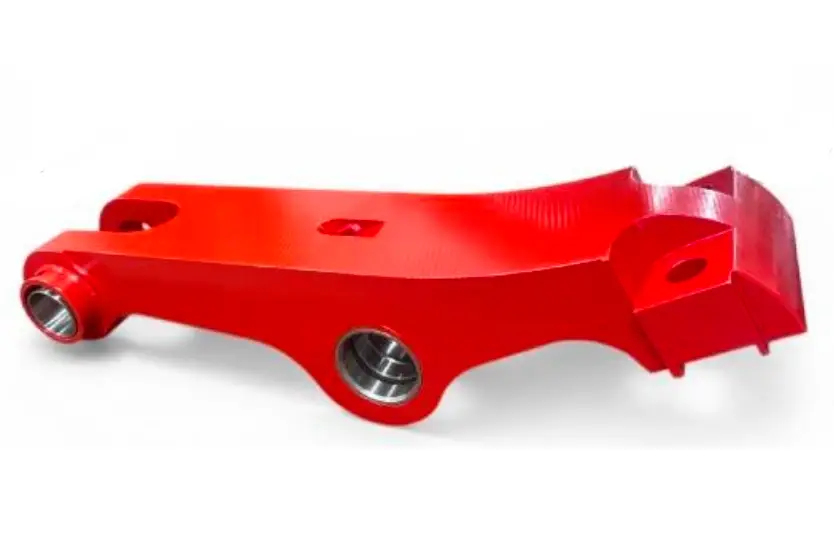
An arm positions equipment where the work requires it, carrying both the weight of what it holds and the reaction forces that equipment generates while operating. Booms and arms take load in bending and torsion at once, and the pins and bushings at each joint are what wear rather than the arm itself in most cases. Play at the joints accumulates along the arm, so slack that seems minor at one pivot becomes significant positioning error at the working end. Renewing wear items before that point is the economical approach. Assessing every pivot at once, rather than the worst one, keeps the positioning accurate for longer. Stalroc quotes this Sandvik reference by part number and exports worldwide to drilling contractors, with joint components priced together where useful.
Frame
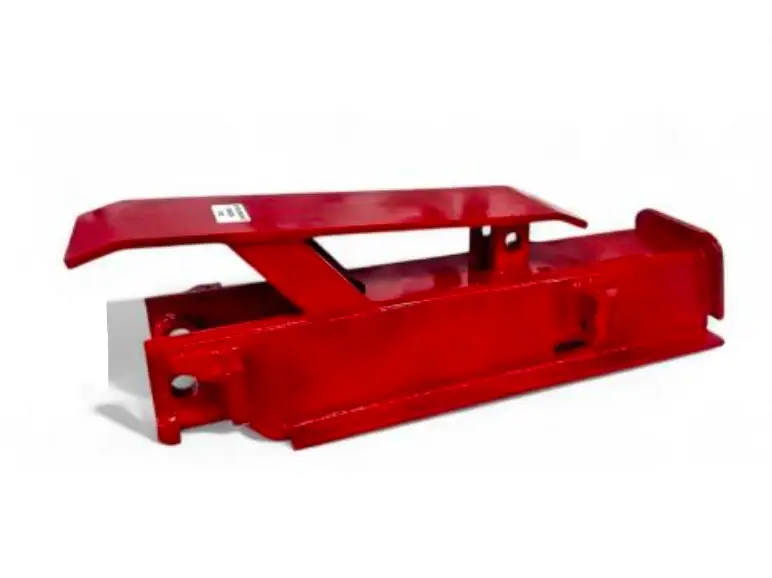
Structural loads generated by the machine pass through the frame and into whatever supports it. Everything mounted to it depends on its geometry remaining true, and alignment lost to impact damage or fatigue puts components out of position, producing wear that shows up somewhere other than the frame itself. Structural items are usually inspected rather than routinely renewed, with distortion being both harder to detect and more consequential than visible cracking. Where a frame is replaced, checking what mounts to it at the same time avoids rebuilding onto a compromised base. Stalroc quotes this Sandvik reference by part number and exports worldwide to mining, tunnelling and quarrying contractors.
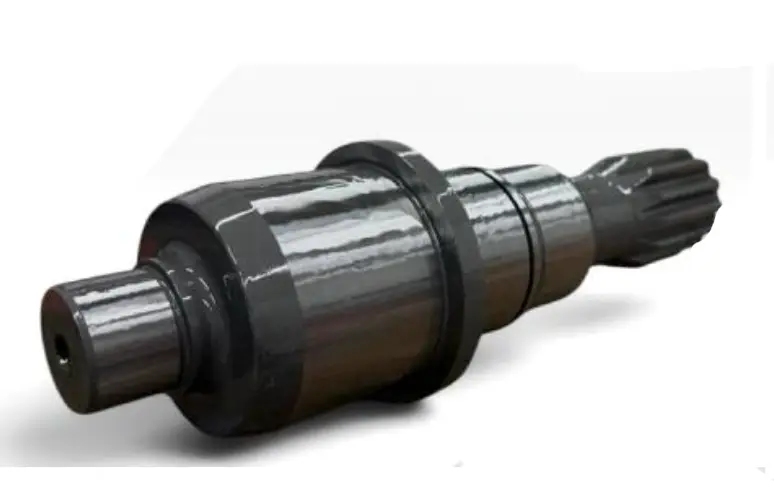
Gearbox
A gearbox transmits drive at the ratios the machine's duty requires, working under load with the shock and vibration a drilling environment produces. Internal condition governs whether that transmission stays smooth or begins introducing noise, heat and backlash that spread damage to the components either side of it. Gearboxes are substantial assemblies with meaningful lead times, which makes them a planning item rather than a reactive purchase. Oil condition is the most useful early indicator of what is happening inside one. Stalroc quotes this Sandvik reference by part number, with OEM and aftermarket options where both are available, and exports worldwide to mining and tunnelling operations.
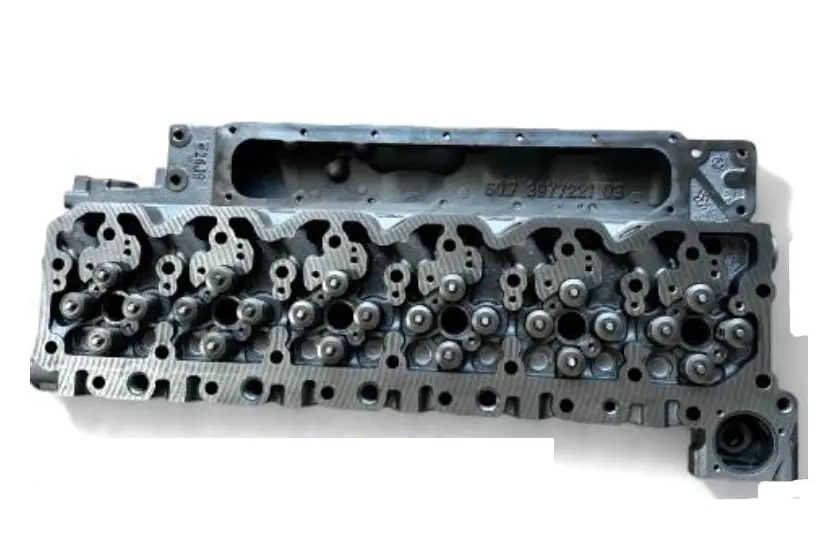
Cylinder Head Assy
A cylinder head assembly closes the combustion chamber and carries the valve gear that controls gas flow through the engine. It works under high temperature and pressure cycling continuously, which makes it one of the components where condition determines whether an engine runs efficiently or begins consuming coolant, oil or compression. Assemblies are supplied complete because their components are matched, which shortens the rebuild and removes the risk of a missing item stopping work. Given the value involved, confirming the reference against the engine's own documentation before ordering is time well spent. Stalroc quotes this Sandvik part by number and exports worldwide to drilling contractors.
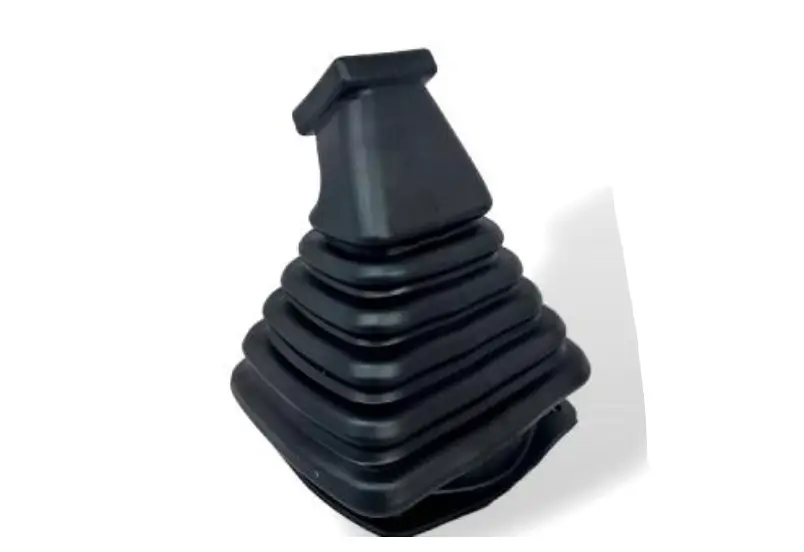
Rubber Elbow
A rubber elbow carries fluid or air around a bend where a rigid pipe cannot run, absorbing vibration and small movements between the components it links. Rubber ages regardless of use: heat, oil, ozone and flexing all degrade it, so condition depends on time in service as much as on operating hours. Failure is often sudden rather than gradual, which is why elbows are renewed on age during scheduled service rather than inspected and left. A split one empties whatever it was carrying, wherever the machine happens to be standing at the time. Because bore, length and bend angle are all specific to the installation, ordering against the manufacturer reference is the only dependable route. Stalroc quotes this Sandvik part by number and exports worldwide to mining, tunnelling and quarrying operations.
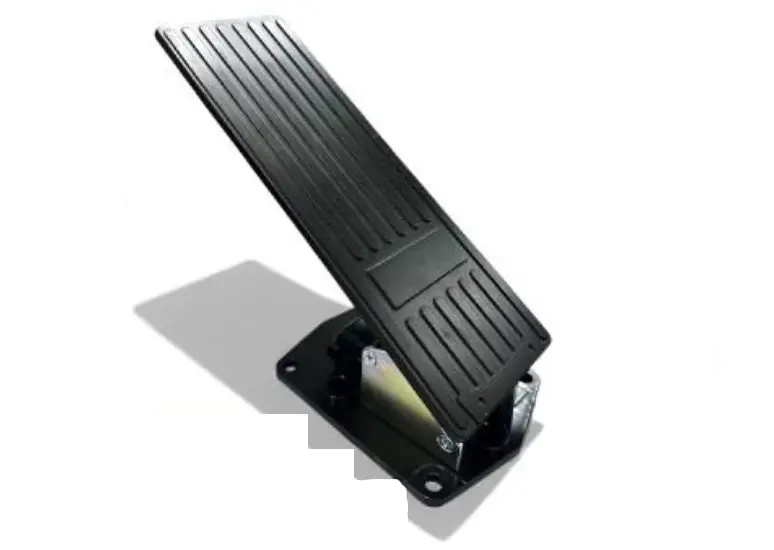
Accelerator Pedal
Foot input reaches the engine speed control through this pedal, which sees continuous use throughout every shift the machine works. Pivots wear and return springs tire, and the result is a control that feels imprecise or fails to return fully to its rest position — neither of which an operator should have to work around. Cab components are straightforward to inspect and simple to renew, yet they tend to be deferred because the machine remains driveable with a worn one. Attending to it during a planned service avoids the question arising at a less convenient time. Fitment varies between machines and cab layouts, so the manufacturer reference is the dependable way to order one. Stalroc quotes this Sandvik part by number and exports worldwide to drilling contractors.