
Catalog: Stalroc Industrial
Browse heavy-duty drilling components engineered for extreme environments.
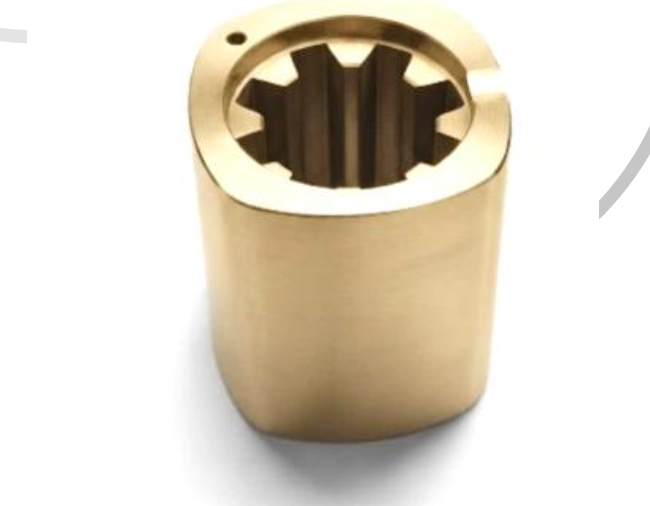
Driver
Rotational movement passes through the driver on its way from the motor to the drill string, forming one link in a chain where any slack is punished by percussion. Backlash under impact becomes hammering, and hammering damages both sides of a joint rather than staying politely on one. Components in this group are renewed together during overhaul, since fitting one new part against several worn ones simply relocates the problem. Quoting the set from the machine's own documentation keeps the rebuild coherent. Leaving one marginal component in an otherwise renewed chain tends to bring the next strip-down forward. Quote requests for this Atlas Copco reference are handled by part number at Stalroc, with global export.
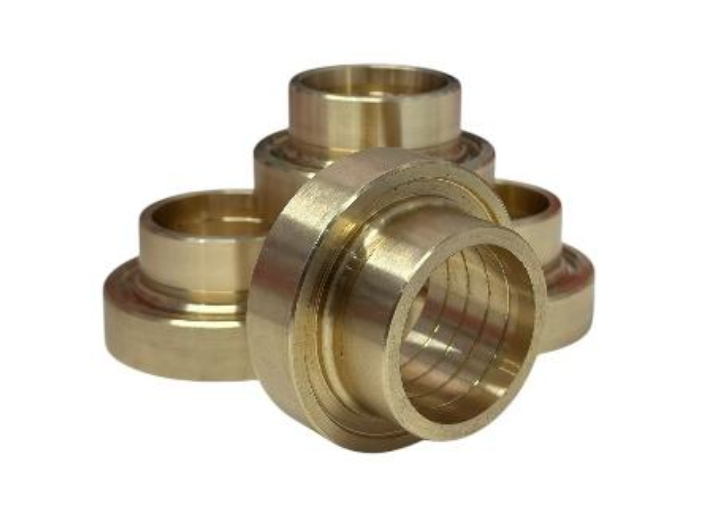
Piston Guide
Side loads are unavoidable in a percussion machine, and the piston guide is what holds the striking element true against them through every stroke. Alignment decides whether impact energy arrives squarely at the shank, so a guide that has worn lets the piston work marginally off axis with effects that appear elsewhere in the drill. Falling penetration rate, heavier vibration and uneven shank wear all point here, but each has other possible causes, which is why guides are renewed on schedule during overhaul rather than diagnosed alone. Renewing it alongside the components it guides keeps the assembly working to matched tolerances. Stalroc confirms availability on this Atlas Copco part number before quoting, and exports worldwide.
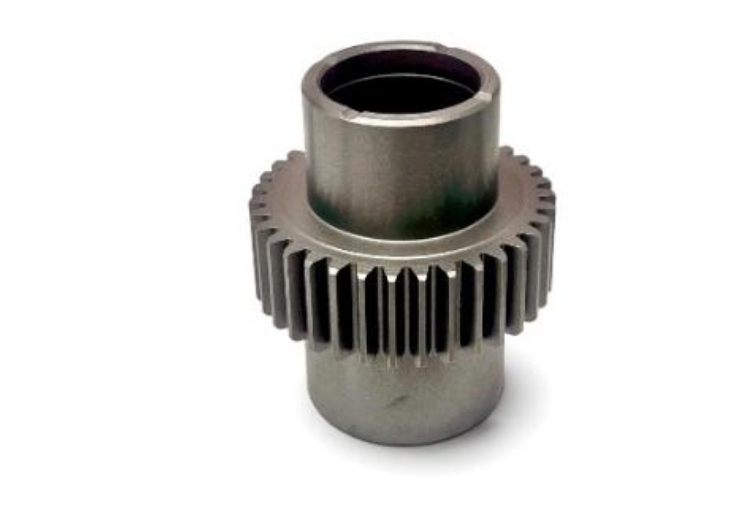
Rotation Chuck
The rotation chuck, part 3115 1732 81, grips the drill steel and transmits rotational torque into it while still allowing the steel to pass axially through as it advances, so its internal splines carry torsional load on a surface that is also expected to stay clean and low-friction for feed. Spline wear here shows up first as the steel starting to slip under torque rather than as a visible crack. Because the chuck sees both torque and the abrasive dust that comes back up the hole, its wear rate depends heavily on flushing effectiveness, and a chuck replaced without addressing a flushing problem tends to wear out again just as fast. Stalroc quotes this Atlas Copco reference by part number and exports worldwide to mining, quarrying, and drilling contractors.
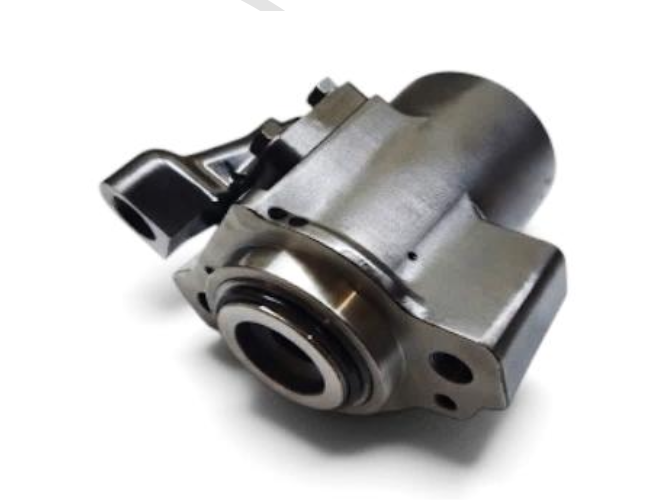
Front Head Comp
The front head assembly forms the working end of the drill, carrying the components that guide and support the shank while percussion energy passes through them into the drill string. It is where the machine meets its consumables, and the accuracy it maintains determines how much energy reaches the rock rather than being lost in the front end. Supplied as an assembly, the reference arrives with its components matched, which shortens the rebuild and removes the risk of a missing item stopping the job. Given the value involved, confirming the reference in the machine's parts manual before ordering is time well spent. Stalroc quotes this Atlas Copco part by number and exports worldwide to mining, tunnelling and quarrying contractors, confirming availability before the order is placed.
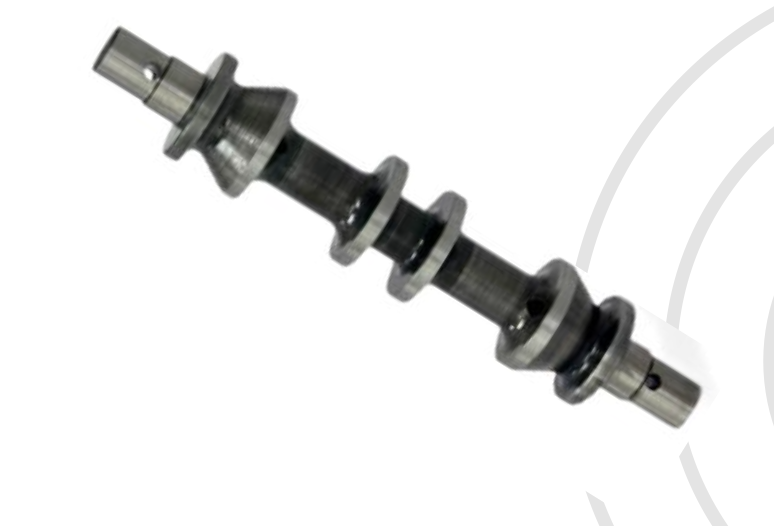
Valve Piston
A valve piston moves within its bore to control the flow that drives percussion, switching the circuit through every cycle the drill performs. The duty is unusual in its sheer frequency: this component changes position more often in an hour than most hydraulic parts do in a shift, which is why fit and finish govern its service life. Wear opens clearance, clearance allows leakage, and leakage shows up as lost impact energy rather than as an obvious fault. Contamination in the fluid accelerates all of it, which puts filtration ahead of running hours as the useful measure of service life. Renewing the component without addressing the fluid tends to repeat the exercise. Stalroc sources this Atlas Copco reference against its part number for export worldwide.
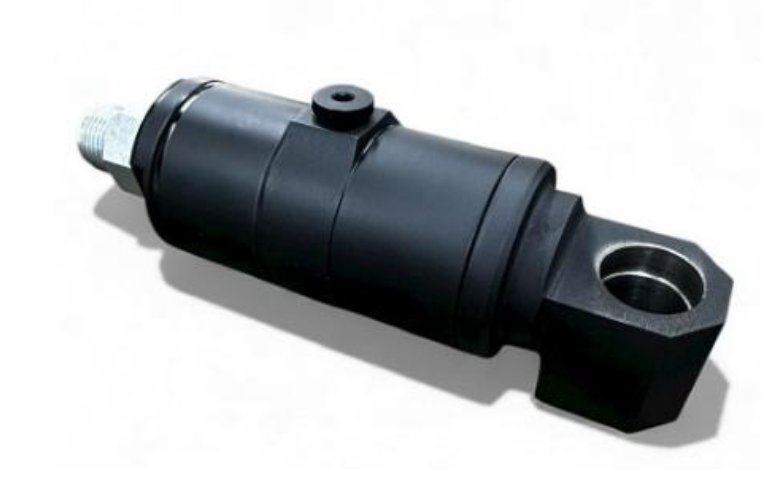
Return Accumulator
The return accumulator, part 3115 2615 91, absorbs the pressure pulses on the return side of a rock drill's percussion circuit, damping the shock that would otherwise transmit straight back through the return line with every stroke. A charge that has bled down loses that damping gradually, so the drill keeps cycling while the return line and its fittings start absorbing punishment the accumulator was meant to take. Because the loss develops slowly, a weak return accumulator is often only diagnosed once hose or fitting failures elsewhere on the return circuit prompt a closer look at the root cause. Stalroc quotes this Atlas Copco reference by part number and exports worldwide to mining, quarrying, and drilling contractors.
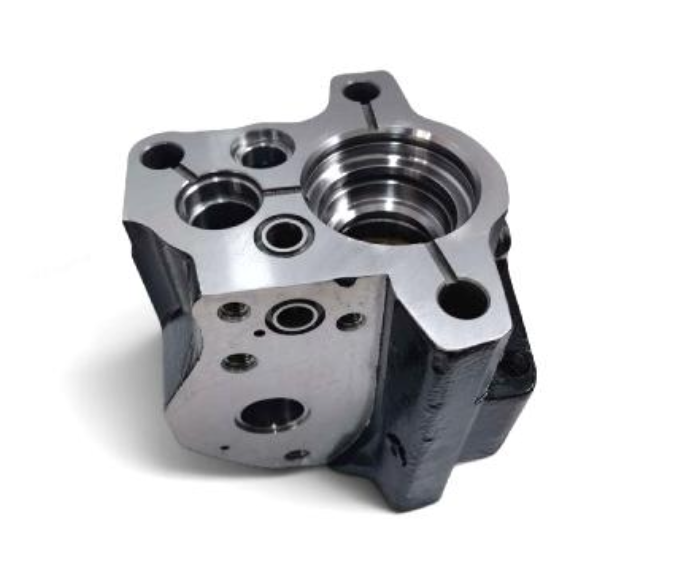
Interm Part
An intermediate part sits between two components in the load path, transferring force from one to the next while allowing the assembly to be built and serviced as separate pieces. Its position means it takes the loads of both neighbours, and wear here quietly changes how those neighbours meet each other. Because the symptom appears at the parts either side rather than at the component itself, intermediate items are usually renewed during scheduled overhaul rather than diagnosed individually. Fitting a worn one back into a rebuilt assembly undoes part of the work. Ordering against the manufacturer reference keeps the fit true where a close dimensional match would not. Stalroc quotes this Atlas Copco part by number and exports worldwide to mining, tunnelling and quarrying operations.
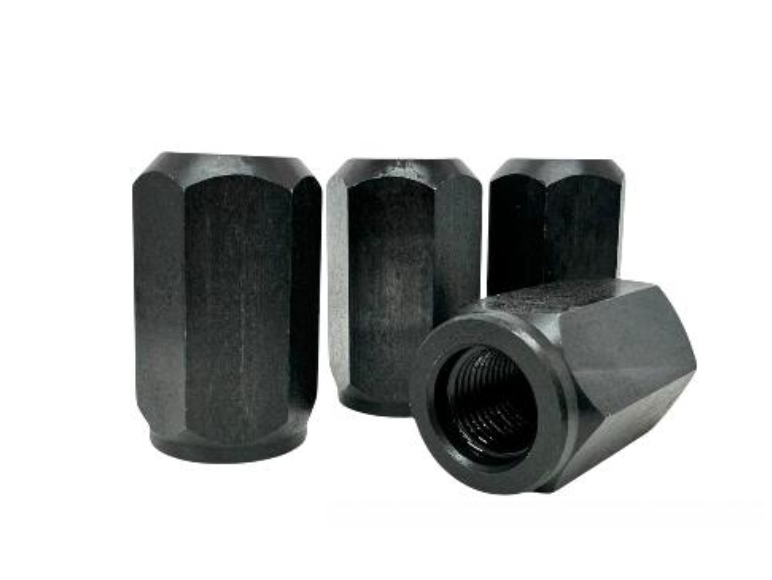
Dome Nut
A dome nut closes and protects a threaded connection while providing the clamping force the joint depends on. The domed form covers the thread end, keeping dust and water off it — a small detail that matters considerably on equipment working in wet, abrasive conditions where an exposed thread corrodes and then cannot be removed without damage. Fasteners in percussion machinery are worked loose continuously by the machine itself, so reuse through repeated rebuilds is a false economy that surfaces as damaged mating faces later. Fitting the correct reference keeps the joint behaving as designed. Fasteners of this kind cost little to hold on site and a great deal to be without mid-rebuild. Send the Atlas Copco part number to Stalroc for a quotation and export lead time.
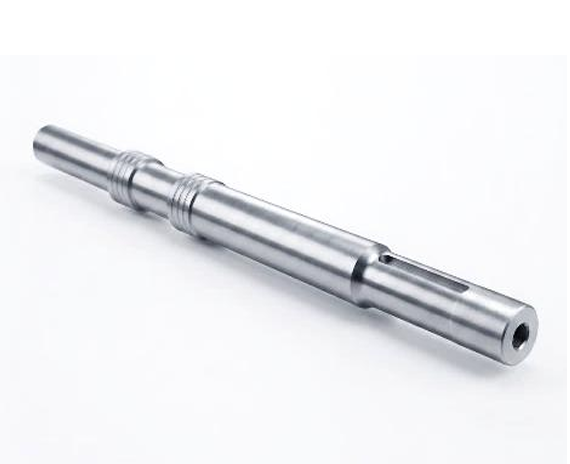
Piston
Impact is generated rather than transmitted at this point in the machine: hydraulic pressure accelerates the piston, and the piston delivers that energy into the shank many times per second for as long as the drill is working. Everything downstream of it — shank, rods, bit — receives what this component produces, which is why its condition sets the performance of the whole string. Surface finish and dimensional accuracy both matter more here than almost anywhere else in the drill. Replacement is planned against accumulated drilling hours and normally carried out with the parts it strikes, so the machine reassembles with matched wear rather than one new component working against several tired ones. Stalroc prices this Atlas Copco reference from its part number and exports worldwide.