
Catalog: Stalroc Industrial
Browse heavy-duty drilling components engineered for extreme environments.
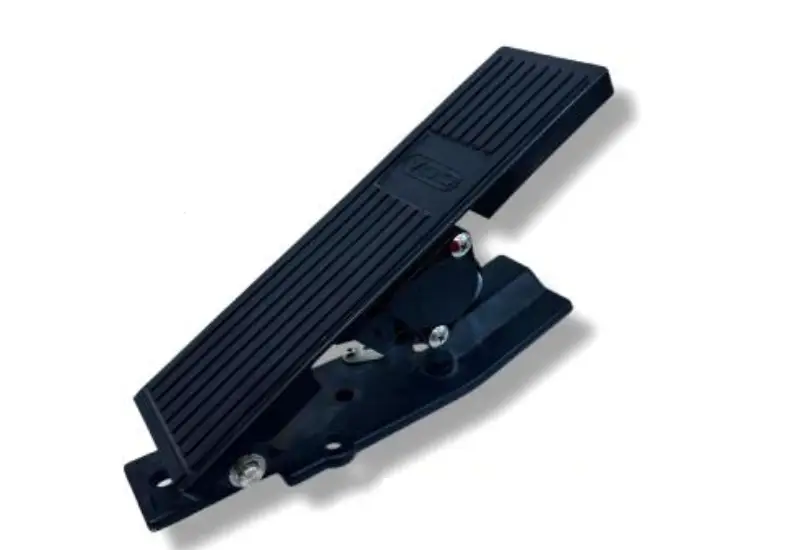
Accelerator Pedal
An accelerator pedal converts the operator's foot input into the signal or linkage movement that controls engine speed. Cab controls take constant use across every shift, and wear at the pivot or in the return mechanism produces vague response or a pedal that no longer returns cleanly to rest, which is both a productivity and a safety consideration. Controls are easy to defer because the machine still works with a worn one, right up until it does not. Renewing on condition rather than on failure keeps the operator in proper control of the machine. Because cab fitments are specific to the machine, ordering against the manufacturer reference avoids a part that will not mount. Stalroc prices this Sandvik reference from its part number and exports worldwide.
Connection Plate
The connection plate, part 3115 2887 80, joins two sections of an Atlas Copco assembly at a bolted or pinned interface, and its role is purely to hold alignment between the parts it connects. A plate that has distorted, even slightly, throws off that alignment for everything mounted through it, not just at the joint itself. Because the plate itself carries little wear in normal service, damage to it usually comes from an overload event elsewhere in the assembly, which makes it worth inspecting whenever a connected component has failed rather than assuming it is unaffected. Stalroc quotes this Atlas Copco reference by part number and exports worldwide to mining, quarrying, and construction contractors.
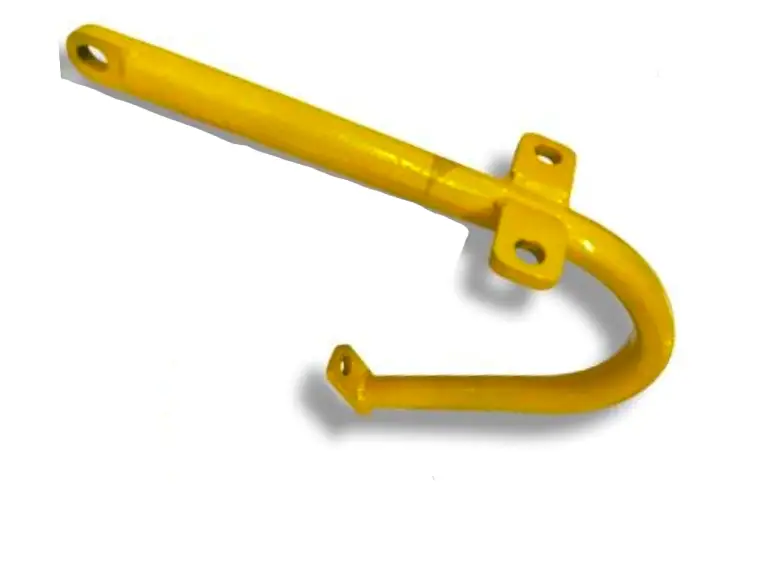
Protection
Protective components shield equipment from the impact, abrasion and debris that a working face produces continuously. What they protect is invariably worth more than they are, and their function is to be damaged instead of it — which means a protector left in place past the point of usefulness is no longer performing its job. Damage is usually visible, making this one of the more straightforward inspection items, though it is also one of the easiest to defer. Renewing on condition rather than on failure keeps the equipment behind it intact. Because these items are consumed by design, they suit on-site stock rather than reactive ordering. Stalroc quotes this Atlas Copco reference by part number and exports worldwide to mining, tunnelling and quarrying sites.
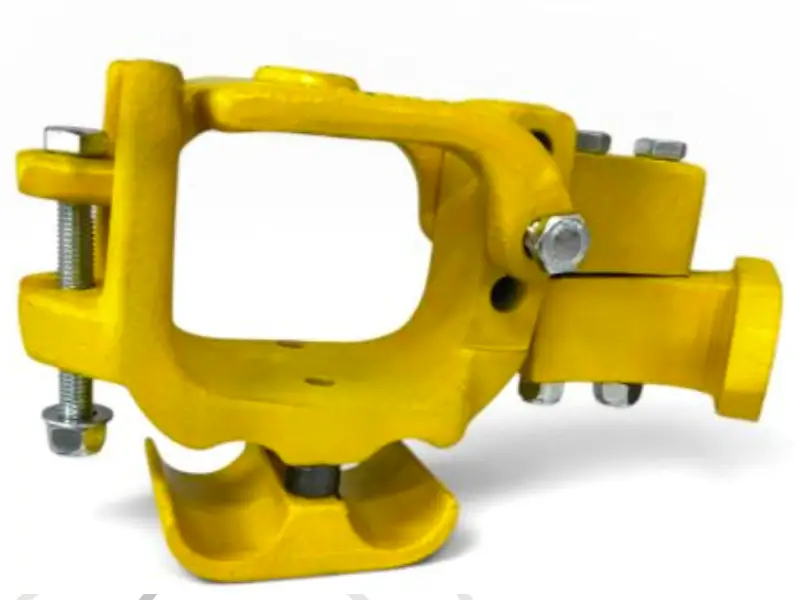
Hose Holder
A hose holder restrains hydraulic lines so they follow their intended route rather than chafing against structure or flexing where they should not. Unrestrained hoses fail unpredictably, and a burst line means lost fluid, contamination entering the system and a machine stopped wherever it happened to be working. Holders are among the components whose absence causes failures elsewhere, which is why they are easy to overlook during inspection. Checking them costs almost nothing against the cost of an unplanned hose replacement mid-shift, and the inspection fits into any routine walk-round. Where hoses are being renewed anyway, replacing tired holders at the same time is the sensible sequence. Stalroc sources this Atlas Copco reference against its part number for export worldwide.
Pulley Wheel
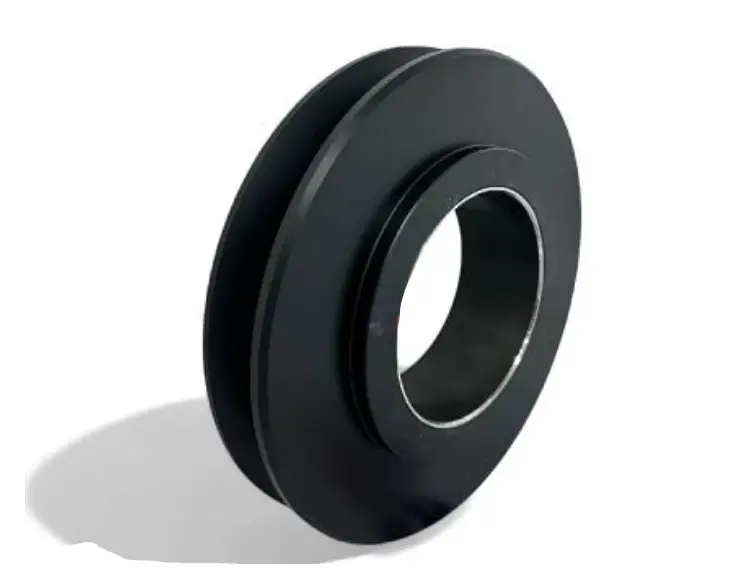
The pulley wheel, part 3128 0784 30, guides a belt or cable around a fixed radius in an Atlas Copco assembly, and its groove profile is what actually keeps the belt tracking straight rather than the wheel's overall diameter. A groove worn out of profile lets the belt ride slightly off-center, and that small misalignment shows up as accelerated wear on the belt edge long before the pulley itself looks obviously worn. A pulley that no longer spins freely on its bearing converts rolling contact into sliding contact at the belt interface, which wears both the belt and the groove far faster than normal running would. Stalroc quotes this Atlas Copco reference by part number and exports worldwide to mining, quarrying, and construction contractors.
Bushing
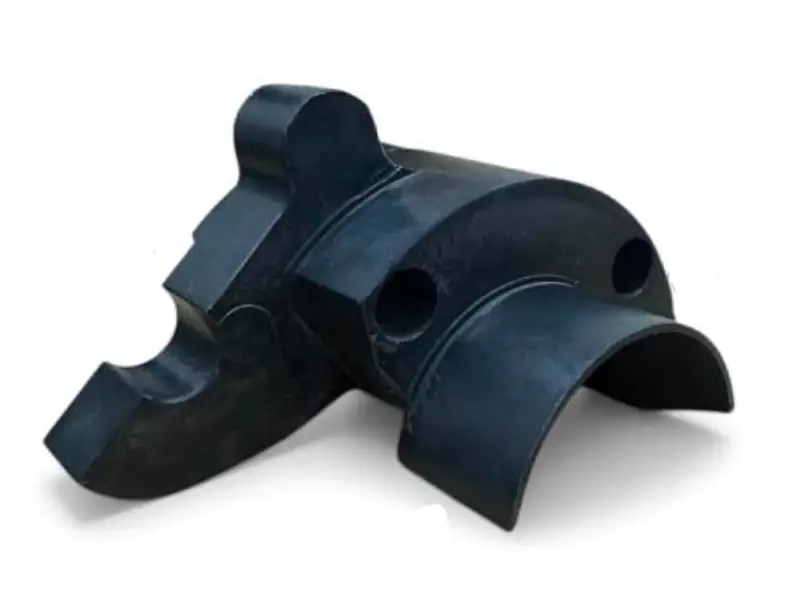
Wear inside drilling equipment is directed onto bushings deliberately, so that a replaceable component absorbs it instead of the housing behind. This one performs that role under the combination that defines rock drill service: percussion shock, rotation and abrasive contamination acting at the same time rather than in turn. Running past the wear limit reverses the economics the design intends, moving clearance and load into parts with long lead times and high costs. Replacement against drilling hours is the standard approach. Ordering by the Atlas Copco reference matters, since similar bushings are not interchangeable across models. Stalroc quotes this part by number and ships worldwide to mining, tunnelling and quarrying contractors.
Back Head
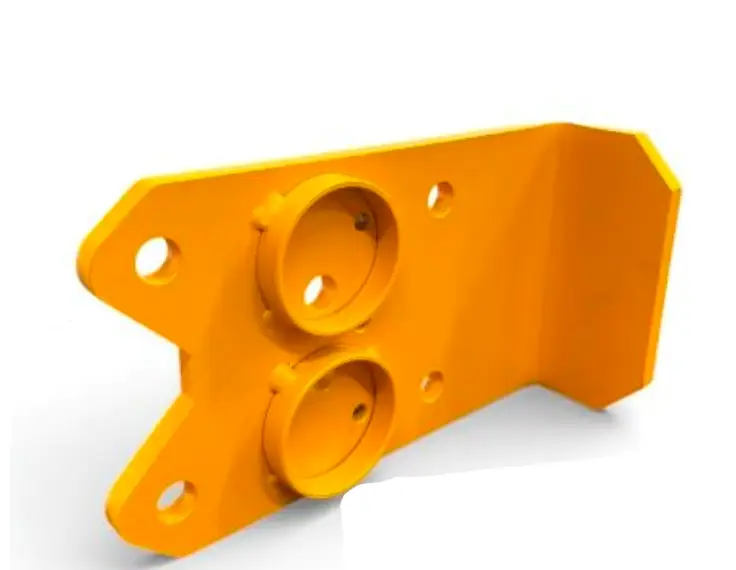
The back head closes the rear of a rock drill, containing internal pressures and locating components within the housing. It sits at the end of the machine where percussion energy is generated rather than delivered, which makes its sealing and structural duty continuous rather than occasional. Damage or distortion here affects the alignment of what sits inside, so condition matters beyond the part itself. Where a drill is opened for overhaul, assessing the back head alongside the components it retains avoids reassembling a machine around a compromised housing. Recording the reference while the machine is apart saves searching for it under time pressure later. Stalroc quotes this Atlas Copco part by its manufacturer number and exports worldwide to mining and tunnelling operations.
Wiper
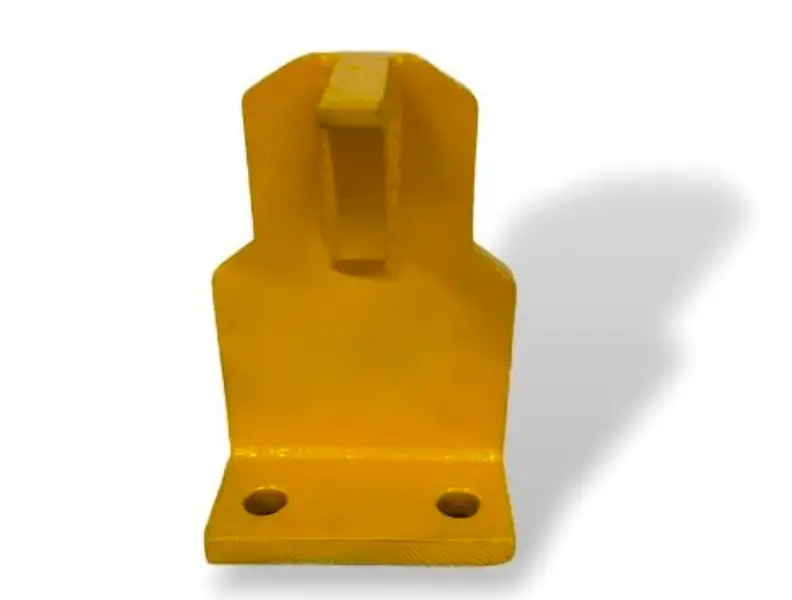
A wiper keeps contamination off a moving surface as it retracts, scraping dust, grit and water away before they are drawn into the assembly. It is a small component doing preventive work, and its failure is not felt directly — it is felt in the seals, bushings and bores that begin wearing faster once debris reaches them. Wipers are inexpensive and normally renewed whenever the assembly they protect is opened, which is the sensible practice given what they defend. Fitting a worn wiper back into a rebuilt assembly quietly undoes part of the work just completed. Because wipers are matched to the surface and groove they sit in, ordering against the manufacturer reference is the dependable route. Stalroc quotes this Atlas Copco reference by part number and ships worldwide.
Spacer Sleeve
The spacer sleeve, part 3128 0494 00, maintains a fixed clearance between two components in an Atlas Copco assembly, and unlike a wear part it is not meant to lose material in service at all. Any measurable change in its dimension is usually a sign of incorrect loading elsewhere rather than routine wear. Reusing an old spacer sleeve during a repair, even one that shows no visible damage, risks a permanent set that leaves the reassembled joint slightly out of tolerance in ways that only show up later as premature wear on the parts either side of it. Stalroc quotes this Atlas Copco reference by part number and exports worldwide to mining, quarrying, and construction contractors.
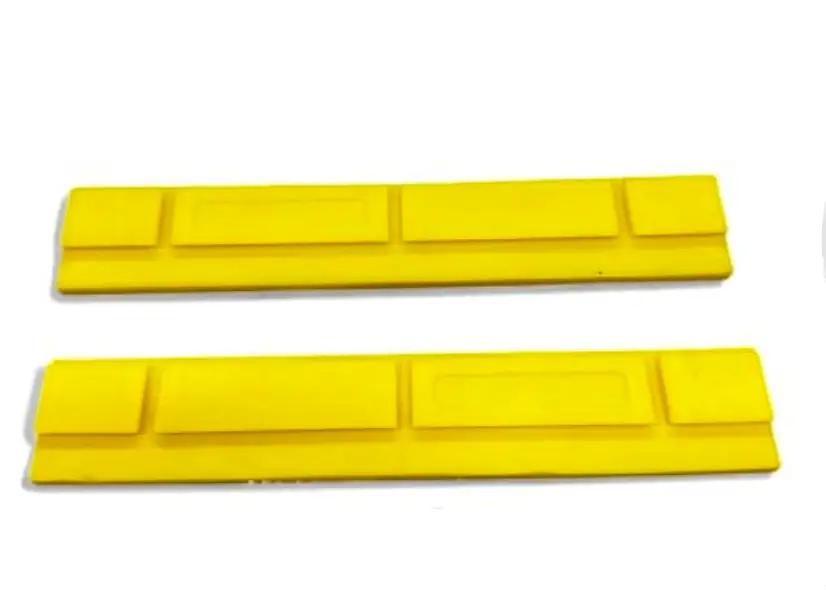
Sliding Piece
A sliding piece provides a renewable bearing surface where one component moves against another, taking wear onto itself rather than onto the structure behind it. On drilling equipment the movement is usually accompanied by dust, grit and vibration, which is exactly the combination that wears sliding surfaces quickly and unevenly. Because this part is intended to be consumed, it belongs on a replacement schedule rather than in the reactive queue. Allowing one to run past its limit transfers the wear into components that are slower and costlier to obtain. Stalroc quotes this Atlas Copco reference by part number and exports worldwide to drilling contractors, with related wear items priced together where useful.
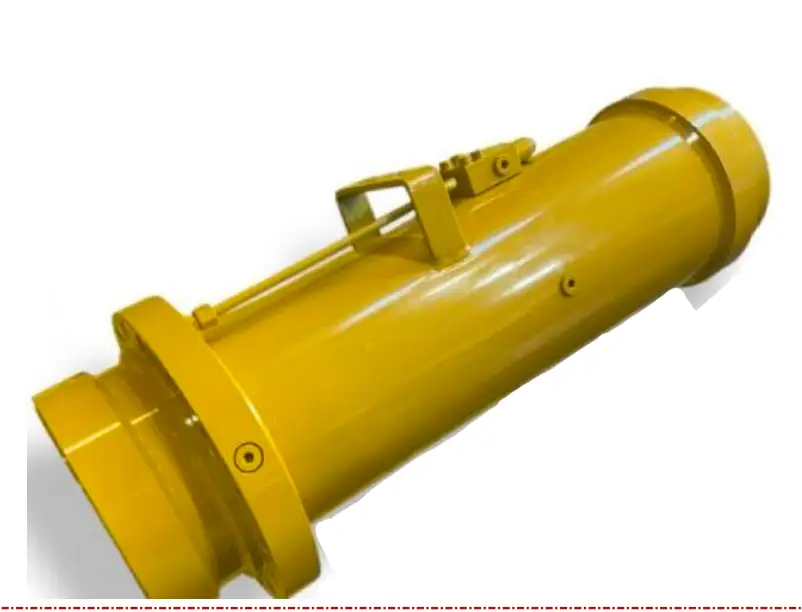
Turning Device
A turning device provides controlled rotational movement to a section of the machine, positioning equipment where the work requires it. Positioning mechanisms take load in more directions than their nominal duty suggests, because the mass they carry keeps moving after the input stops and every stop transfers that momentum into the mechanism. Wear introduces play, and play in a positioning system means the equipment no longer sits precisely where it was placed, which matters for accuracy at the face. Renewing before that slack reaches the mountings is the cheaper path. Stalroc quotes this Atlas Copco reference by part number and exports worldwide to mining, tunnelling and quarrying operations.
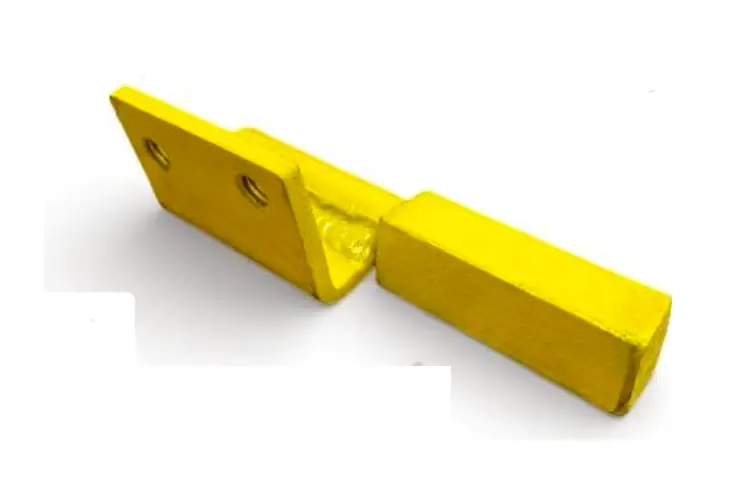
Hinge
A hinge carries the weight and movement of a panel or cover through repeated opening cycles, under vibration that works constantly against every fastening on the machine. Wear introduces play, play lets the panel move and rattle, and the resulting fatigue eventually reaches the mounting points rather than staying in the hinge. Renewing a worn hinge before it damages what it is mounted to is straightforward economics, and the check takes seconds during any routine inspection. Left long enough, the repair moves from a hinge to the panel and its mountings. Stalroc quotes this Atlas Copco part against its manufacturer number and exports worldwide to mining, tunnelling and quarrying operations, with related access hardware priced in the same enquiry where useful.