
Catalog: Stalroc Industrial
Browse heavy-duty drilling components engineered for extreme environments.
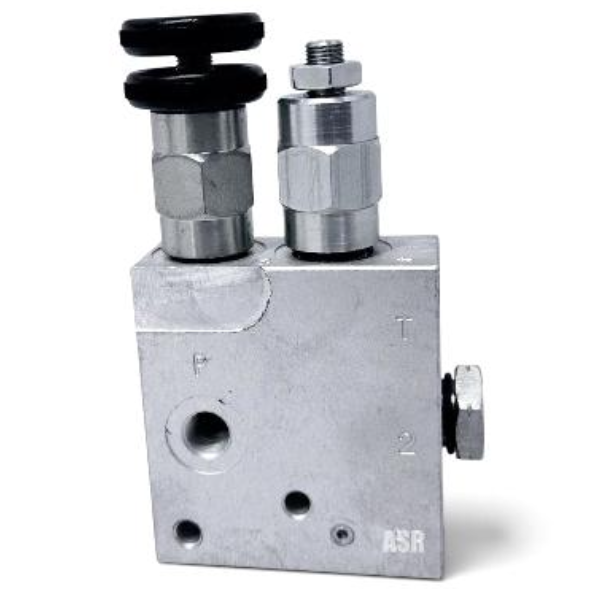
Valve
Hydraulic control depends on valves holding their characteristics over thousands of cycles, and this component belongs to that group. Once wear opens internal clearances, some flow bypasses where it should not, and the machine begins responding less sharply without any single obvious failure to point at. Contamination causes most of that wear, which puts fluid condition and filtration ahead of running hours as the useful predictor of valve life. Addressing the system alongside the component is what makes a replacement last. Recording the reference during a service, rather than searching for it during a breakdown, is the habit that keeps these orders straightforward. Stalroc supplies this Atlas Copco reference against its part number, quoting OEM and aftermarket options where available, and exports worldwide.
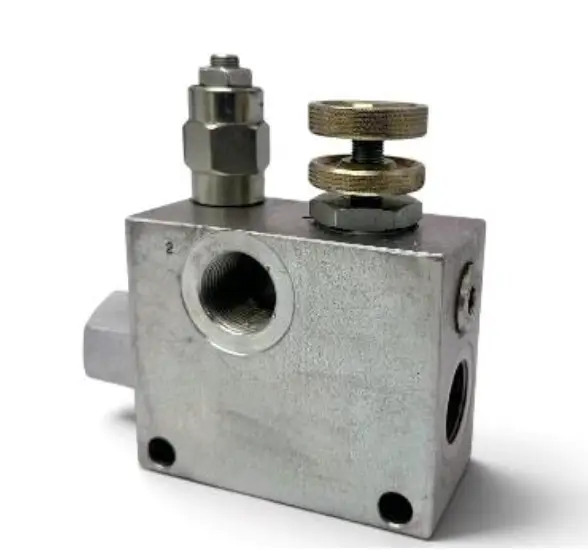
Flow Regulator
A flow regulator sets the rate at which fluid moves through part of a circuit, and that rate determines the speed and control of whatever it feeds. Drift here produces movement that is too fast, too slow or inconsistent between cycles, which affects both productivity and the wear rate of the components being driven. Regulators are sensitive to contamination, as the small passages that make precise control possible are the first things fine particles obstruct. Fluid cleanliness therefore matters more here than in most of the circuit. Because a regulator governs the behaviour of everything downstream of it, confirming the reference before ordering saves chasing the symptom through the rest of the circuit. Stalroc quotes this Atlas Copco part by its manufacturer number and exports worldwide to drilling contractors.
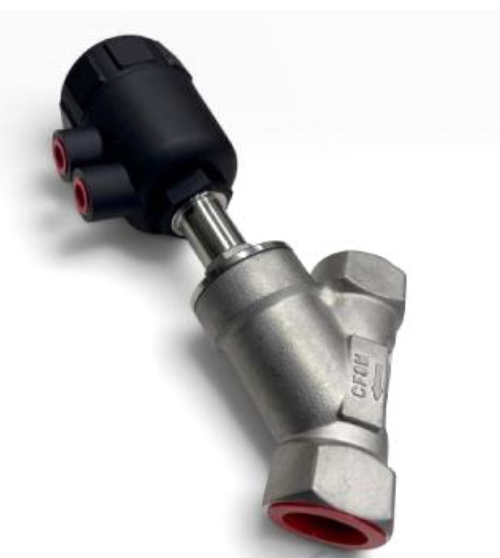
Valve
Directing flow and regulating pressure is what valves do, and how well they still do it decides how a rig handles from the cab. Deterioration is usually progressive: response softens, movements lose precision, and the machine's behaviour changes gradually enough that operators compensate without registering a fault. Most of that wear traces back to contamination rather than pressure, so filtration and fluid condition determine valve life more than duty hours. A replacement fitted into an unclean system inherits the same fate as the part it replaced. Where both routes are available, comparing cost against lead time usually settles the decision quickly. Stalroc quotes this Atlas Copco reference by part number, with OEM and aftermarket options where both exist, and ships worldwide.
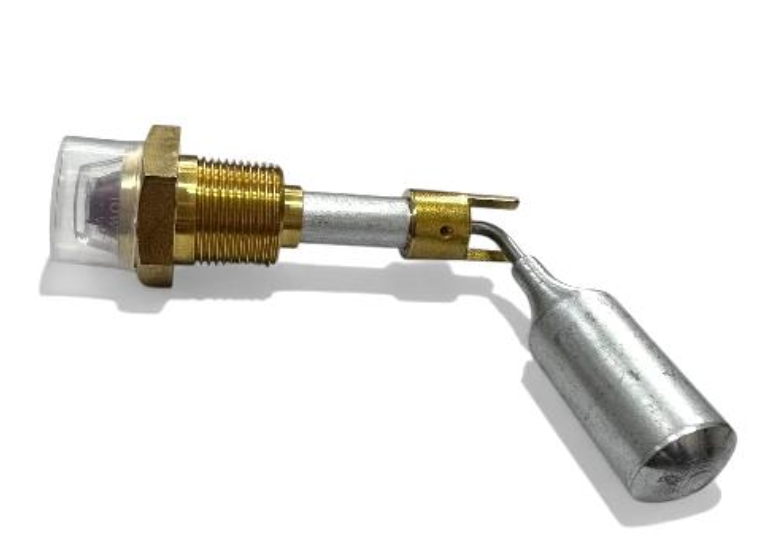
Level Gauge
A level gauge lets the operator confirm fluid quantity at a glance, which sounds minor until the consequence of running a hydraulic or lubrication system low is considered. Low fluid means aeration, overheating and pump damage, and pumps are among the more expensive items on any rig to replace unexpectedly. Gauges are cheap, easy to check and easy to ignore once cracked or clouded, at which point the crew is effectively running blind on a system that gives little warning before it protests. Renewing one is a small job with a disproportionate return, and it is the kind of item worth holding on site rather than ordering singly. Because gauges are specific to the housing and thread they fit, ordering against the manufacturer reference avoids a part that cannot be installed. Stalroc quotes this Atlas Copco reference by part number and exports worldwide.
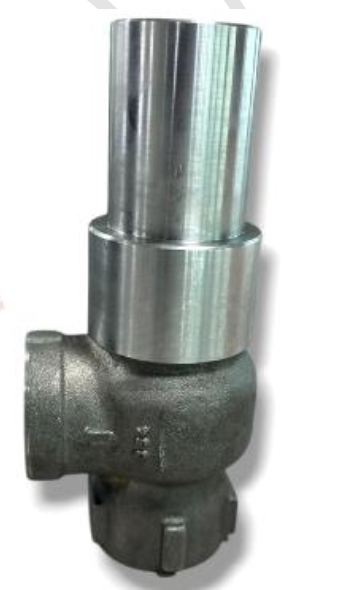
Valve
Flow and pressure inside a hydraulic circuit are governed by valves, and this component forms part of that control. Its condition determines whether the machine responds crisply or has developed the vague, slow behaviour that crews learn to work around rather than report, which is why valve faults often persist far longer than they should. The practical lever on valve life is fluid cleanliness, since abrasive contamination wears spools and seats far more effectively than pressure cycling does. Fitting a new valve into a dirty system rarely lasts. Cross-checking the reference in the machine's hydraulic schematic before ordering avoids the confusion that similar valve bodies create. Stalroc quotes this Atlas Copco part by its manufacturer number and exports worldwide to drilling operations.
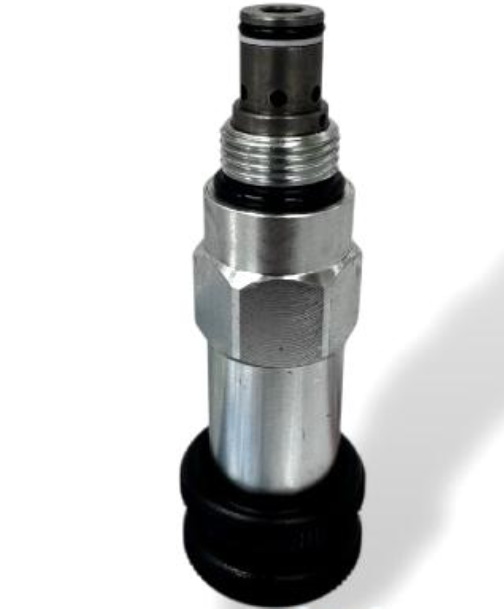
Valve
Hydraulic circuits depend on valves to direct flow and hold pressure where the design intends, and a rig's responsiveness is largely a reflection of how well they still do that. Wear here tends to be gradual rather than sudden, producing sluggish or imprecise movement that operators adapt to long before anyone raises a fault report. Because contamination drives most valve wear, fluid cleanliness has more influence on service life than running hours. Renewing a valve without addressing filtration usually shortens the life of the replacement. Keeping a spare against a known service interval is generally cheaper than sourcing one against a stopped machine. Stalroc supplies this Atlas Copco reference against its part number and ships worldwide to mining, tunnelling and quarrying contractors.
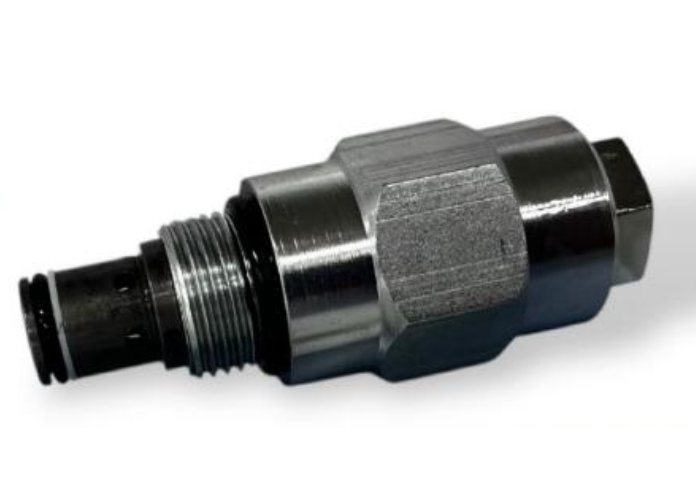
Valve
Where hydraulic flow goes and at what pressure it arrives is decided by valves, which makes them the components that decide how a rig actually behaves under the operator's hands. When one drifts out of specification the symptom is rarely dramatic: movements become slower or less precise, and the fault is often chased elsewhere in the circuit before the valve is suspected. Contamination is the usual culprit, since fine particles in the fluid wear spools and seats faster than pressure alone ever would. Fluid condition therefore governs valve life more than operating hours do. Stalroc quotes this Atlas Copco reference by part number, with OEM and aftermarket options where both are available, and exports worldwide.
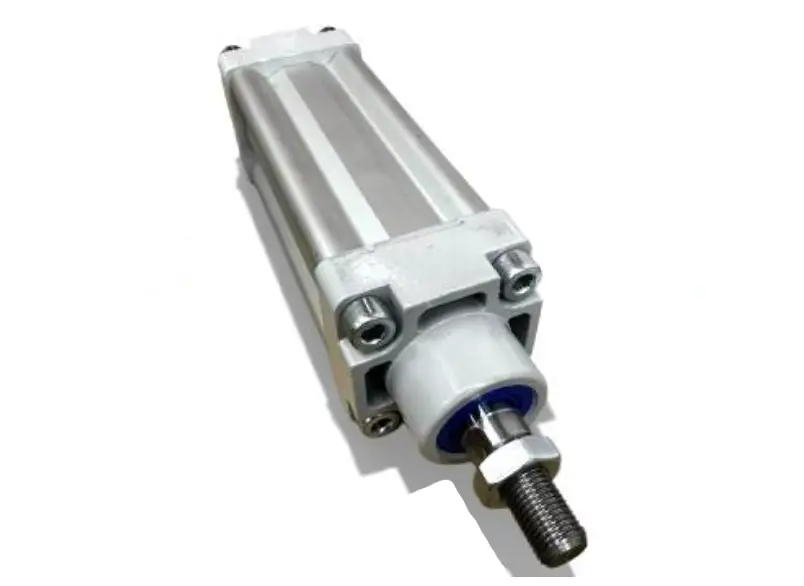
Air Cylinder
An air cylinder converts supply pressure into linear movement, with the bore condition determining how much of that pressure does useful work. Internal leakage past a worn bore or tired seals shows up as slow or weak actuation, a symptom easily attributed to the supply system when the cylinder itself is the cause. Cylinders are normally assessed during overhaul, with seals renewed as a matter of course whenever one is opened. Fitting new seals into a scored bore rarely lasts, which is the check worth making before deciding between a seal kit and a replacement unit. Quoting both options at once makes that decision straightforward. Stalroc quotes this Sandvik reference by part number and ships worldwide.
Coupling
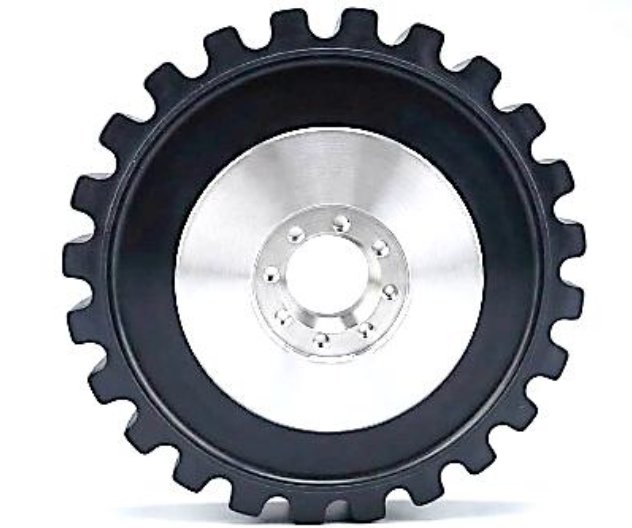
A coupling connects two rotating or moving elements so drive passes between them while accommodating the small misalignments any real installation contains. On drilling equipment it also absorbs shock, and that duty is what wears couplings out rather than the steady torque they nominally transmit. Wear introduces backlash, and backlash under impact becomes hammering that damages both sides of the connection rather than just the coupling. Renewal during scheduled service is therefore cheaper than waiting for the symptom to become obvious. Assessing both connected components when the coupling is changed avoids fitting a new part against a damaged one. Quotations are handled against the Sandvik part number, with worldwide export from Türkiye.
Lock Nut
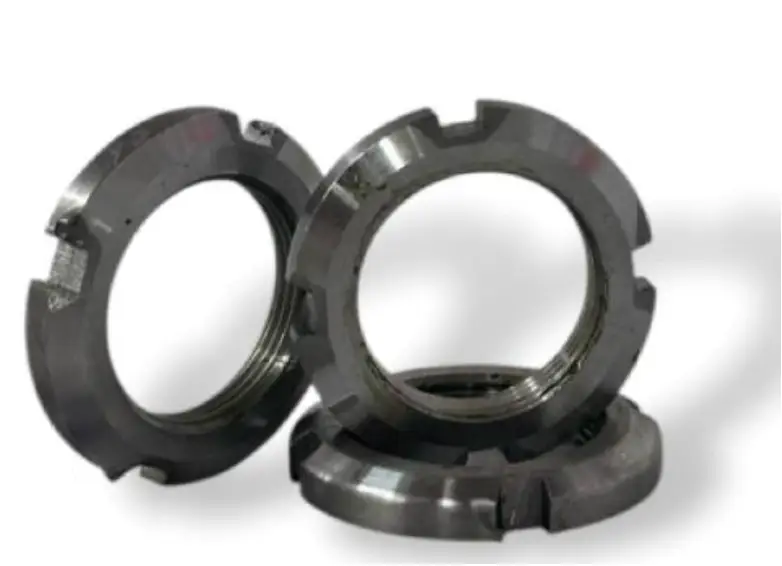
Threaded joints in percussion machinery are actively worked loose by the machine itself, and this lock nut is what resists that. Vibration and impact loading do not pause while the drill runs, so the locking function is under continuous demand rather than being a precaution that matters only occasionally. A joint that has been allowed to move wears at the mating faces, and correct clamping then becomes hard to restore without renewing more than the fastener alone. Fitting the specified reference rather than a general-purpose equivalent is the simple safeguard. Fasteners of this kind are inexpensive to stock and disproportionately costly to be without mid-rebuild. Stalroc supplies this Sandvik part by number and exports worldwide, usually quoted with the assemblies it retains.
Body
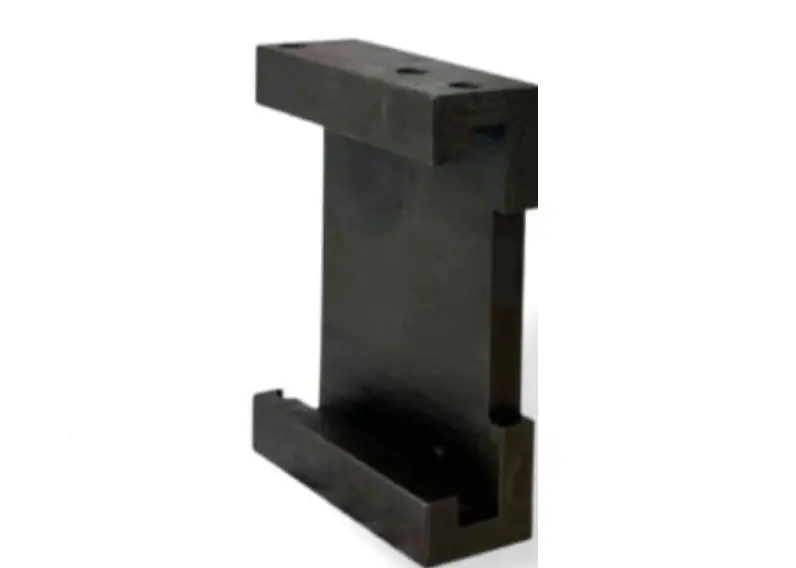
The body forms the main housing of an assembly, locating the components inside it and containing the pressures and forces they generate. Its bores and mounting faces set the geometry everything else depends on, which is why damage or distortion here affects far more than the single part being replaced. Bodies are usually assessed rather than routinely renewed, with wear in the bores mattering more than external condition. Where one is being replaced, the components that run inside it are normally quoted at the same time so the assembly reconciles with matched wear. Confirming the reference in the machine's own parts manual is worth the few minutes it takes on an item of this value. Stalroc supplies this Sandvik part against its number and exports worldwide to drilling contractors.
Guide Piece
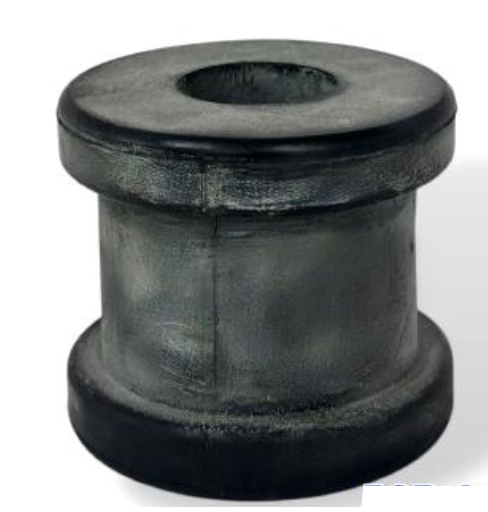
A guide piece maintains the path of a moving component, keeping it travelling where the design intends rather than wandering under load. Guidance sounds passive but it is not: once a guide has worn, the movement it controls goes slightly off line, and the resulting misalignment wears everything the moving part touches. The symptoms usually appear elsewhere first, which is why guides tend to be renewed during scheduled overhaul rather than diagnosed individually. Fitting the specified reference matters, since a close dimensional match is not the same as the correct part. Quoting it with the components it guides usually reflects what the machine will actually need at that service. Stalroc quotes this Sandvik reference by number and exports worldwide to mining, tunnelling and quarrying operations.