
Catalog: Stalroc Industrial
Browse heavy-duty drilling components engineered for extreme environments.
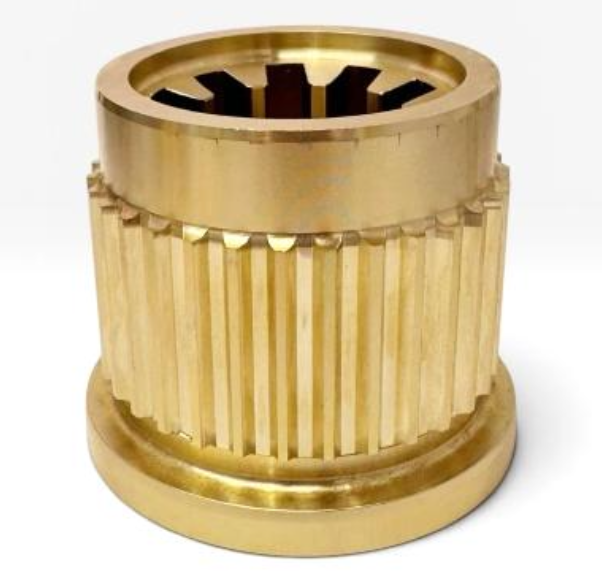
Driver
The driver transmits rotational movement within the drill's rotation unit, forming one link in the chain between motor output and the turning drill string. Wear at any point in that chain introduces backlash, and backlash under percussion becomes hammering that accelerates damage on both sides of the joint. Components in this group are usually replaced together during overhaul, since renewing one worn item against several others simply moves the problem along. Quoting the set together keeps the rebuild consistent rather than staggered across several orders. Checking each reference against the machine's parts manual first avoids fitting a component intended for a different drill generation. Stalroc handles this Sandvik reference by part number and exports worldwide, quoting related rotation components in the same enquiry where required.
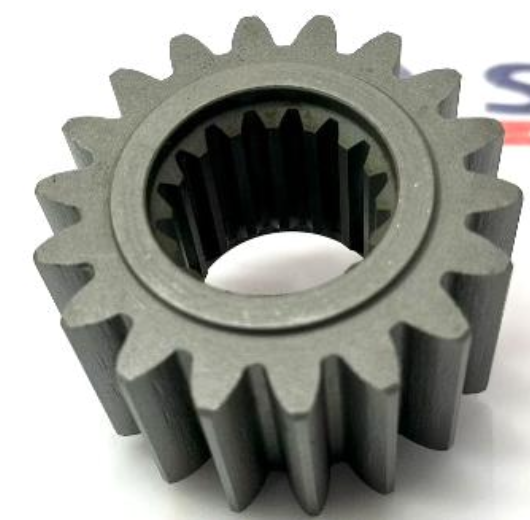
Gear Wheel
The gear wheel, part 551 530 23, transmits drive through Sandvik equipment via tooth profiles that are cut and hardened to run against a specific mating gear, which is why a worn gear wheel is generally replaced alongside its pair rather than on its own. Mixing a new gear wheel with a worn mating gear concentrates load on a shrinking contact area and accelerates the wear of both. Gear wear is often audible before it is visible, showing up as a change in running noise or backlash long before a tooth shows obvious damage, and lubrication quality has an outsized effect on how long the gear wheel actually lasts. Stalroc quotes this Sandvik reference by part number and exports worldwide to mining, quarrying, and drilling contractors.
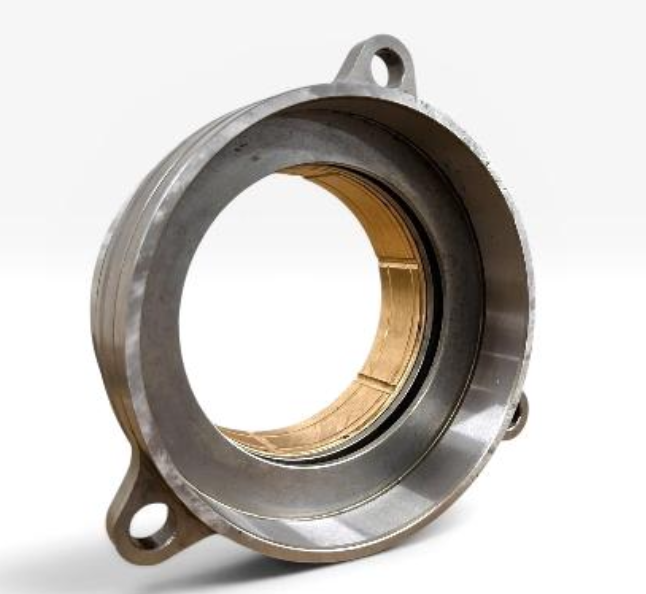
Bearing Assembly
Combined thrust and radial loads pass through this bearing assembly while percussion shock travels through the same path. Ordinary industrial bearings are not asked to do both at once, which is why rock drill bearing intervals are set against drilling hours and ground conditions rather than standard life calculations. The unit is supplied complete because its internal components are matched and intended to wear as a set. Where the rotation unit is already stripped, pricing the adjacent references at the same time avoids paying freight twice. Confirming the reference in the machine's own parts manual before ordering removes the ambiguity that similar-looking assemblies create. Stalroc quotes this Sandvik part against its manufacturer number and exports worldwide to mining, tunnelling and quarrying operations.
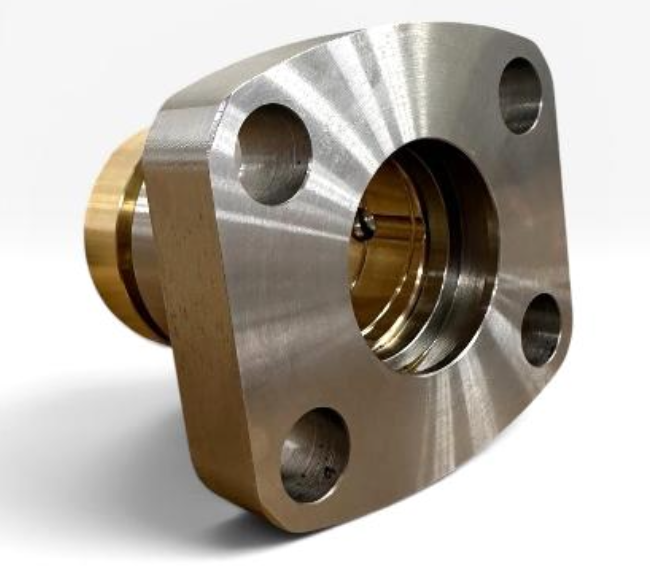
Front Cover
The front cover closes the working end of the drill, retaining internal components and keeping abrasive dust and water out of the mechanism. It takes impact and abrasion from the outside while sealing against considerable pressure on the inside, a combination that makes it a true wear item rather than a passive housing. Damage here rarely stays contained: once the seal at this end is compromised, contamination reaches bushings and seals that cost far more to renew. Inspecting the cover whenever the drill is open is the practical habit. Ordering it alongside the seals it retains usually makes sense. Stalroc supplies this Sandvik reference by part number and exports worldwide to mining, tunnelling and quarrying operations.
Piston
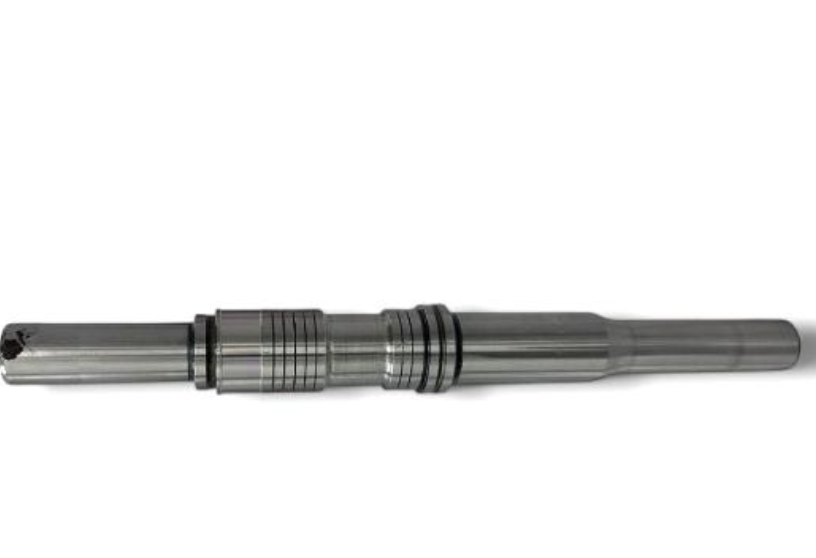
Hydraulic energy becomes impact energy at the piston, which strikes the shank many times per second for the whole of a working shift. No component in the drill works harder. Dimensional accuracy and surface condition both matter, because a piston running marginally out of specification wastes energy and transfers damage to whatever it strikes. Replacement is normally planned against drilling hours and carried out alongside the parts the piston works directly against, so the assembly goes back together with matched wear. Given the value of the item, confirming the reference in the machine's parts manual before ordering is time well spent. Send the Sandvik part number to Stalroc for a quotation and export lead time.
Piston Stabilizer
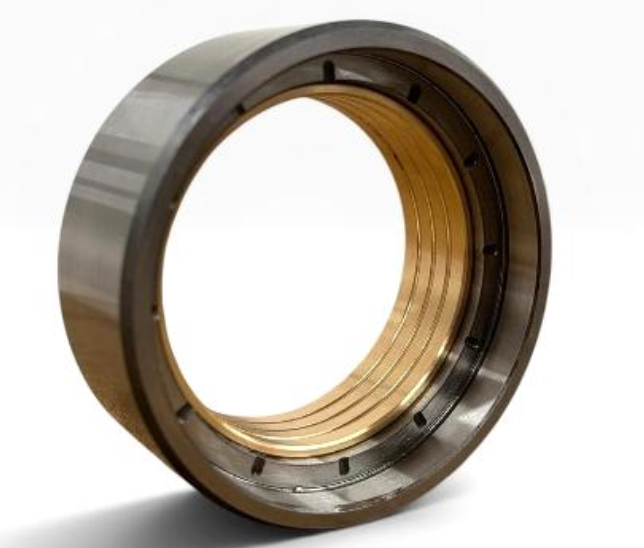
Side loading is unavoidable in a percussion machine, and the piston stabilizer is what resists it, keeping the striking element aligned through every stroke. Once that alignment drifts, impact energy stops arriving squarely and begins to punish the components the piston works against rather than the rock. Because the resulting symptoms — slower penetration, heavier vibration, uneven shank wear — could each have several causes, stabilizers tend to be replaced on schedule during overhaul rather than diagnosed in isolation. Cross-checking the reference against the machine's parts manual before ordering avoids the most common sourcing error in this group. Stalroc quotes this Sandvik part against its manufacturer number and ships worldwide, so it can be included in a planned rebuild consignment.
Bearing Assembly
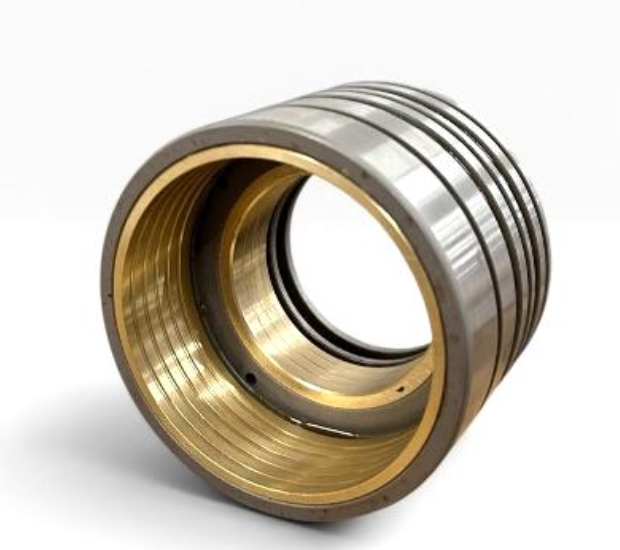
Rotating elements inside a rock drill run on bearing assemblies built to take thrust, radial load and percussion shock simultaneously. The impact component is what separates this duty from ordinary industrial bearing service and why replacement intervals follow drilling hours rather than generic life calculations. Assemblies are supplied complete because their internal parts are matched and wear as a set; mixing elements between units rarely ends well. Where a rotation unit is being stripped anyway, quoting the neighbouring components at the same time avoids a second shipment. Stalroc supplies this Sandvik reference against its part number and exports to mining, tunnelling and quarrying sites worldwide, quoting from the manufacturer reference so the order matches the machine.
Piston Stabilizer
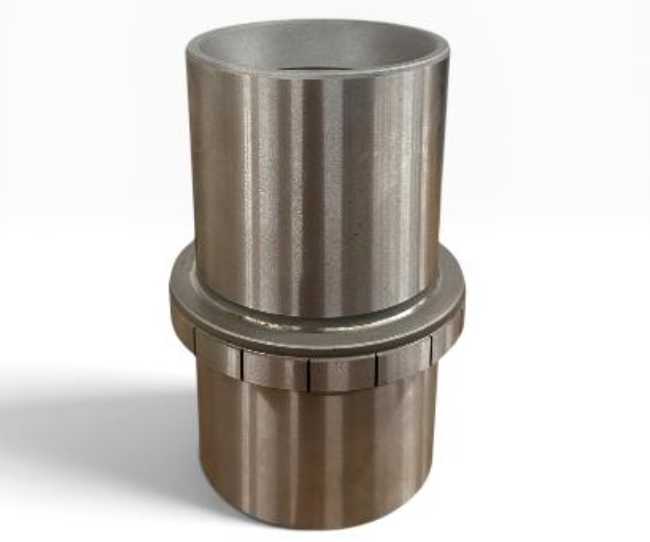
A piston stabilizer keeps the striking element running true through its stroke, holding alignment against the side loads that percussion inevitably generates. Alignment is what determines whether impact energy arrives squarely at the shank or is partly wasted, and a stabilizer that has worn allows the piston to work slightly off axis with consequences downstream. The symptoms are indirect: falling penetration rate, unusual wear on the shank adapter, more vibration through the feed. Because those signs point at several possible causes, stabilizers are usually renewed during scheduled overhaul rather than diagnosed individually. Stalroc quotes this Sandvik part by number with worldwide export.
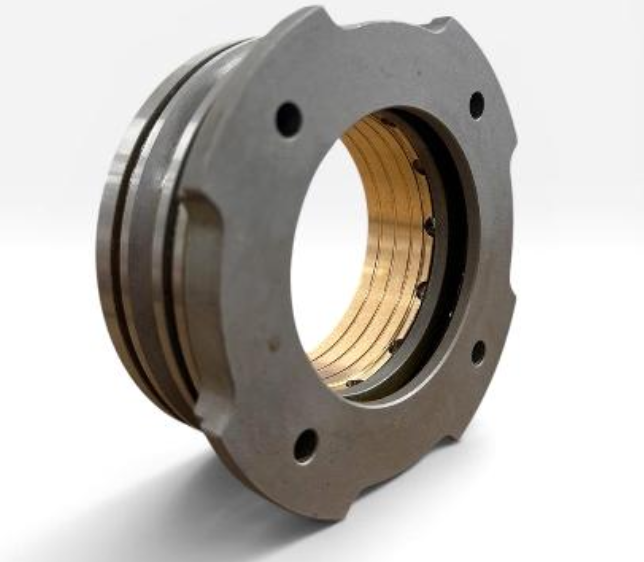
Bearing Assembly
A bearing assembly supports rotating elements under combined thrust and radial loading while percussion shock passes through the same structure. That duty is unusual: bearings in most machinery never see impact of this kind, which is why rock drill bearing life is measured against drilling conditions rather than catalogue figures alone. Assemblies are supplied as matched units because the components inside them are meant to wear together. Substituting individual elements between assemblies is a false economy that usually shortens the life of the whole unit. Stalroc quotes this Sandvik reference by part number and can price related rotation components at the same time for a complete overhaul.
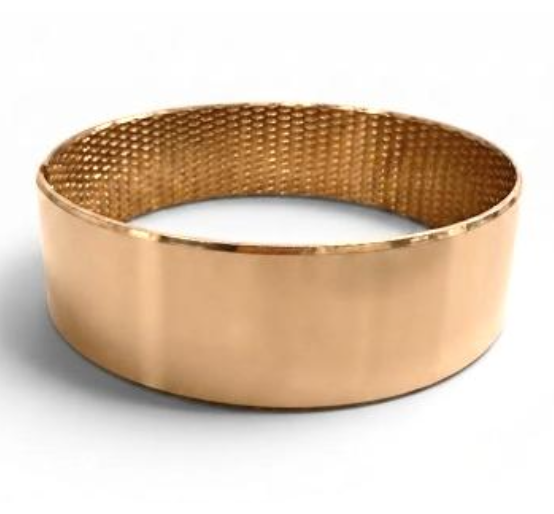
Bushing
Wear inside a rock drill is deliberately concentrated on components like this bushing, which are designed to be renewed at intervals. The surrounding housing is expensive and slow to replace; the bushing is neither. Allowing one to run past its wear limit inverts that economy, transferring clearance and load into parts nobody wants to be changing in the field. Most operations replace on accumulated drilling hours rather than waiting for symptoms, since by the time looseness is obvious the damage has usually spread. Keeping one on the shelf costs far less than the downtime of sourcing it urgently. Stalroc quotes this Sandvik part by number and exports worldwide, so replacements can be staged in advance of a planned service window rather than chased afterwards.
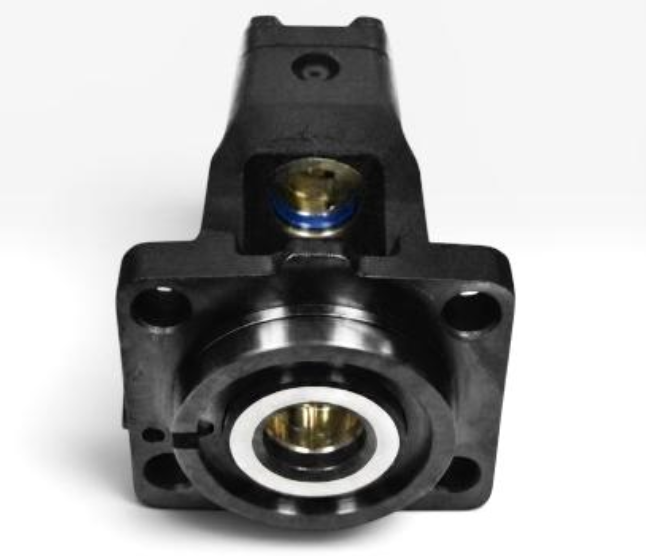
Flushing Device
The flushing device directs air or water through the drill string to clear cuttings from the hole. Flushing is easy to overlook until it degrades: cuttings that are not evacuated grind against the bit and rod, raising wear rates across the whole string and slowing penetration well before anyone connects the symptom to its cause. Because poor flushing damages consumables faster than it damages itself, the economic case for keeping this component in good order rests on what it protects. Checking flushing performance during routine service costs little and protects the parts that do wear quickly. Stalroc supplies this Sandvik reference against its manufacturer number, with OEM and aftermarket options quoted where both are available, and ships to drilling operations worldwide.
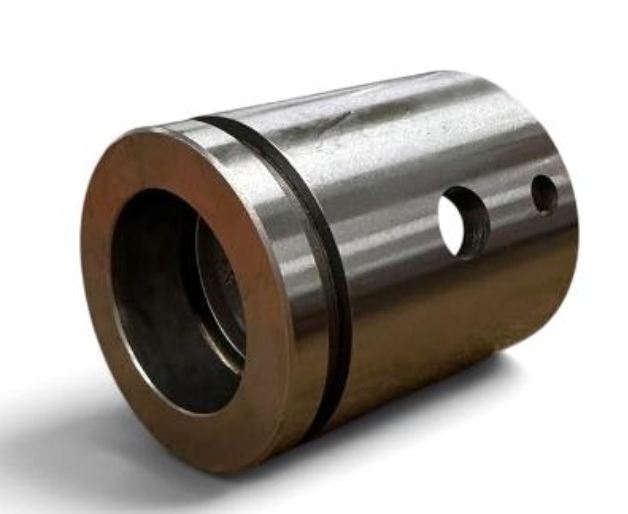
Bushing
This bushing serves as a sacrificial bearing surface within the drill, absorbing wear that would otherwise fall on the housing around it. Percussion shock, rotation and abrasive flushing debris all act on it at once, which is why bushings are treated as scheduled consumables rather than permanent components in any well-run maintenance plan. The practical difficulty is that bushings of similar appearance are not interchangeable between drill models or generations. Quoting against the Sandvik part number, checked in the machine's own parts manual, removes that risk entirely. Stalroc confirms availability by reference before quoting and exports worldwide, which suits sites holding a modest rotating stock.