
Catalog: Stalroc Industrial
Browse heavy-duty drilling components engineered for extreme environments.
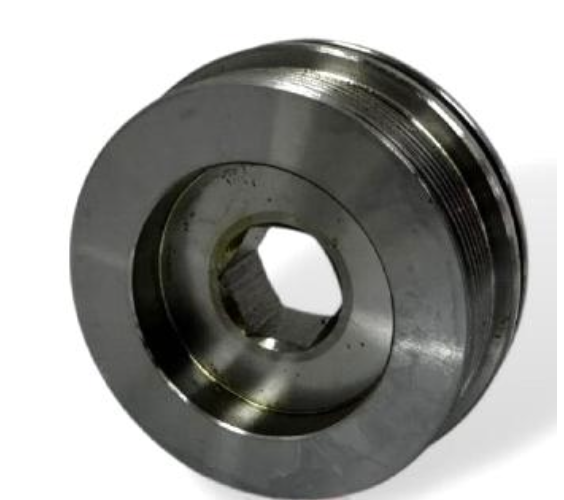
Locking Screw
Adjustment and position are held against continuous vibration by locking screws, and a percussion machine works constantly to undo every threaded joint it contains. A screw that backs off slightly allows movement between clamped faces, which then wear until the joint can no longer be tightened correctly at all. Reusing fasteners through repeated rebuilds is a common shortcut that surfaces later as fretted surfaces on much more expensive components. Fitting the correct reference keeps the joint behaving as designed rather than approximately so, which is the whole point of specifying it. Stalroc quotes this Sandvik part by number, usually alongside the larger assemblies it secures, and ships worldwide to drilling operations.
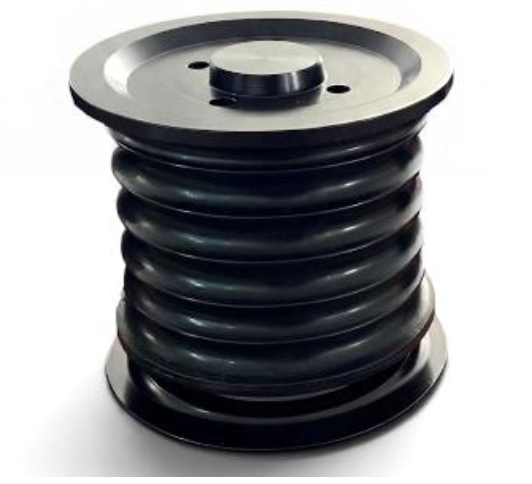
Assembly
Supplied as a complete assembly, this Sandvik reference brings its components together already matched, which removes the guesswork of building the same arrangement from individual parts. That matters in drilling machinery, where mixing new and worn elements in one unit usually shortens the life of everything in it. For procurement, an assembly is generally the simpler route: one reference, one lead time, and no risk of a missing item halting the rebuild on the day. The trade-off is a higher line cost against fewer complications later. Stalroc quotes this part against its manufacturer number, confirms availability before committing, and exports worldwide to mining, tunnelling and quarrying operations.
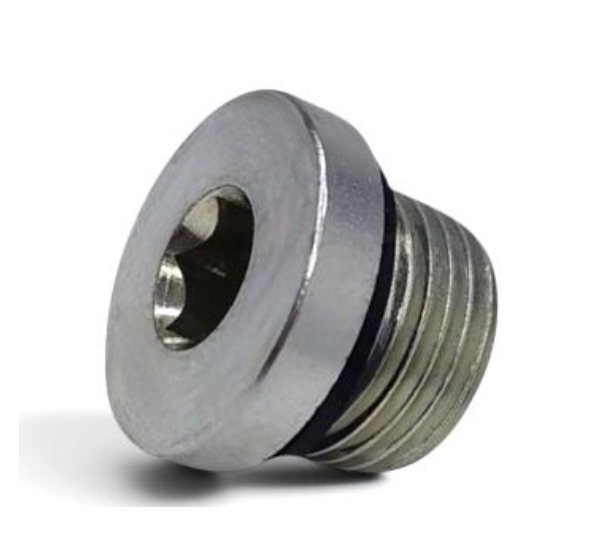
Plug
Ports and passages in hydraulic and lubrication circuits are closed by plugs, whose sealing duty matters far more than their size suggests. One that weeps allows pressure loss and lets contamination into a circuit built to run clean, and tracing that kind of slow leak usually costs more in labour than the component costs to replace outright. Items like this are inexpensive individually but entirely capable of stopping a machine, which is why they belong in on-site stock rather than on a purchase order raised after a failure. Ordering by the Sandvik reference keeps thread form and sealing arrangement correct, where a general-purpose substitute may not. Stalroc quotes this part by number and exports worldwide, usually consolidated with larger orders.
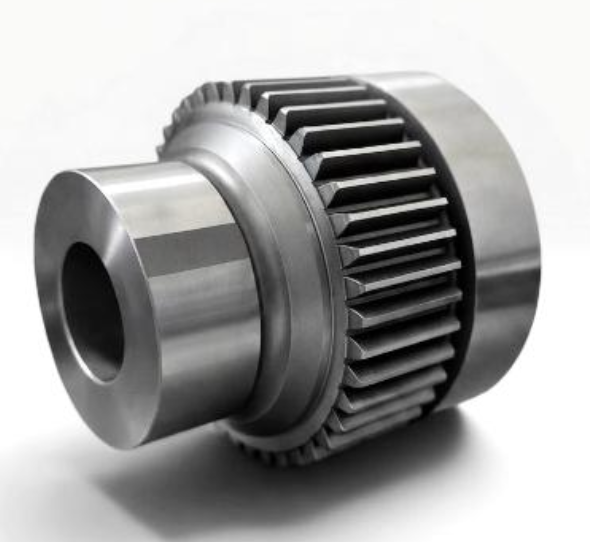
Rotation
Turning the drill string while percussion breaks the rock is the job of this group of components, and the balance between those two actions decides how cleanly a hole advances. When rotation falls out of step with the impact rate, the bit grinds instead of cutting, which shows up as slow progress and unusually fast consumable wear at the face. Parts in this group are normally addressed during a planned overhaul rather than replaced reactively, since diagnosing them individually in the field is rarely practical. Confirming the reference in the parts manual before ordering is the step that prevents an expensive mismatch. Stalroc quotes this Sandvik part by its manufacturer number and exports worldwide to drilling contractors.
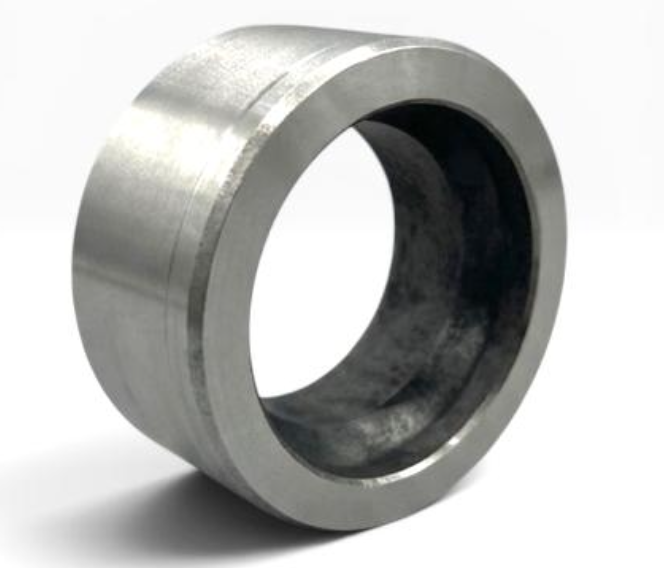
Chuck
Gripping the shank adapter and holding it aligned while percussion energy passes into the drill string is the chuck's role. Every blow works against it, and how accurately it holds that grip determines how much of the drill's energy reaches the rock rather than dissipating as heat and vibration in the front end of the machine. Wear here spreads outward. A chuck that has lost accuracy accelerates damage to shank adapters and bushings around it, so replacement is generally planned across that group rather than one item at a time. Ordering against the Sandvik reference from the machine's parts manual avoids the close-but-wrong substitutions that similar castings invite. Stalroc quotes this part by number and ships worldwide.
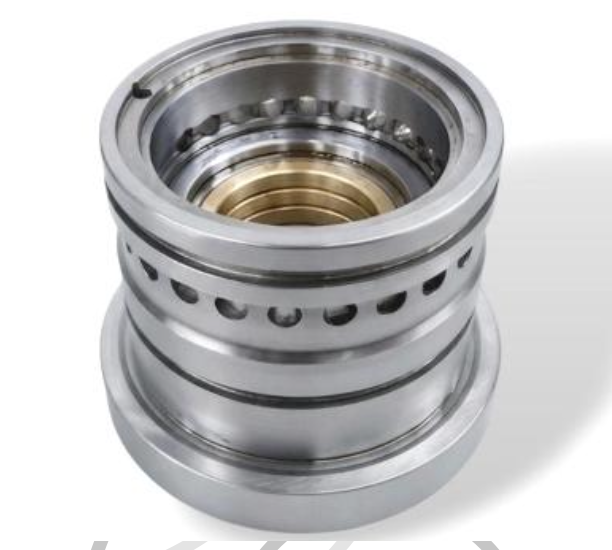
Cylinder
A cylinder houses the moving element that converts hydraulic pressure into linear force, with bore condition determining how efficiently that conversion happens. Scoring or wear allows internal leakage, and leakage shows up as lost performance long before it becomes an obvious fault, which is why declining output is often traced here. Cylinders are usually assessed during overhaul rather than replaced reactively, and the seals running inside them are renewed at the same time as a matter of course. Where both sourcing routes are available, seeing the cost and lead time side by side makes the decision straightforward. Stalroc quotes this Sandvik reference by part number with OEM and aftermarket options where both exist, and exports worldwide to drilling contractors.
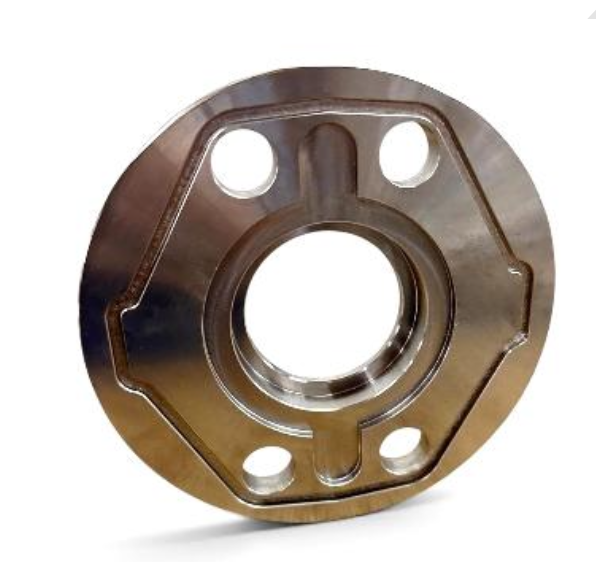
Cover
Retaining internal components and keeping abrasive dust, water and cuttings out of the mechanism is what this cover does. On a drilling machine that is not a trivial duty: contamination reaching bearings and seals shortens their life dramatically, and the cover is the only thing standing between them and a working face full of grit. Because the part protects items that cost considerably more than it does, inspecting and renewing it during scheduled service is straightforward economics. Damage is often visible from outside, which makes it one of the easier checks to build into a routine walk-round. Stalroc supplies this Sandvik reference against its part number and ships to mining, tunnelling and quarrying sites worldwide.
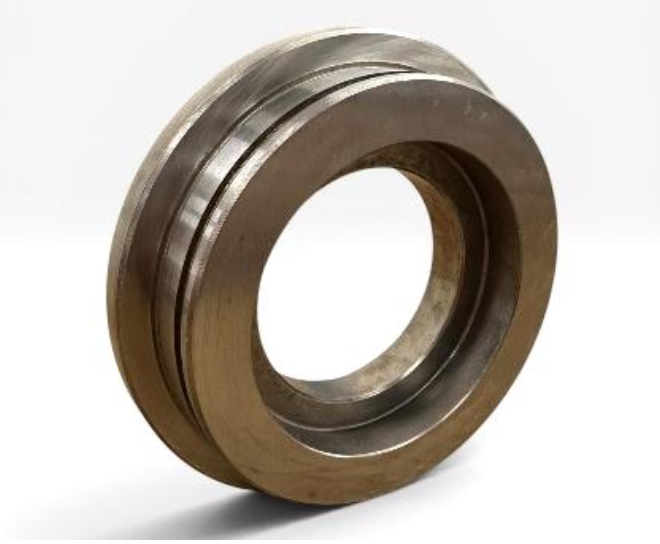
Shank Bushing
The shank bushing supports and guides the shank adapter where percussion energy enters the drill string. Every blow passes through this area, making it one of the most load-intensive positions in the machine and a component whose condition directly affects how much energy actually reaches the rock. Wear here does not stay local: a worn shank bushing allows movement that accelerates damage to the shank adapter and chuck, turning one modest replacement into three. Most operations track it against drilling hours and renew on interval. Because the front end wears as a group, quoting those references together usually reflects what the machine will actually need. Stalroc quotes this Sandvik part by number and exports worldwide, with related front-end components priced in the same enquiry where useful.
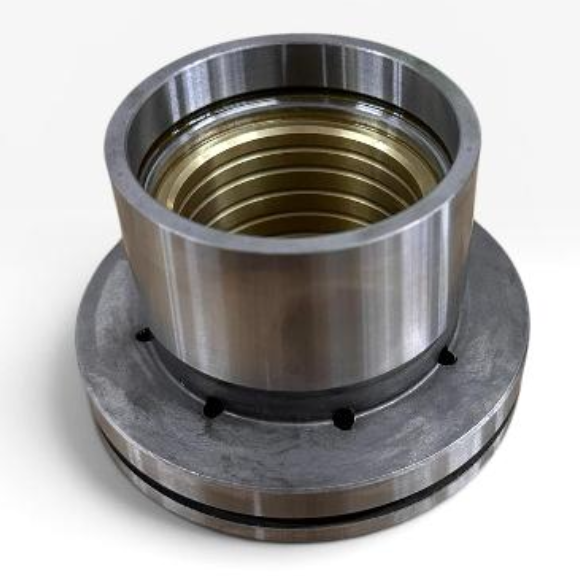
Bearing
Rotating elements need support under load, and that is this bearing's function inside a machine where percussion shock accompanies every revolution. The impact duty is what distinguishes rock drill bearing service from ordinary industrial applications and why replacement follows drilling hours rather than generic calculations. Bearings are usually renewed alongside the components they run against, so the assembly goes back together with matched condition rather than one new part working against several worn ones. Fitting a new bearing against worn mating parts rarely delivers the life the replacement was capable of. Stalroc quotes this Sandvik reference against its part number and can price the surrounding rotation components in the same enquiry, which simplifies a planned overhaul.
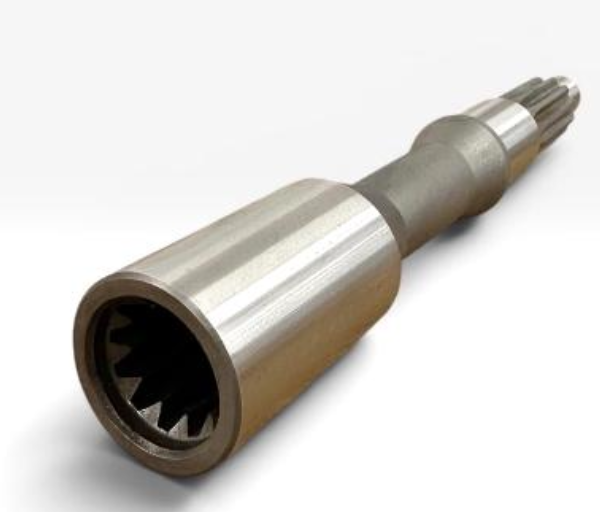
Shaft
This shaft carries rotational load through the drill's mechanism, working under continuous torque with percussion shock superimposed on it. Fatigue in such conditions does not always announce itself: a shaft can run slightly out of true for a long time, wearing the bearings and bushings around it while appearing serviceable. Inspection during scheduled overhaul is the practical safeguard, because in-service failure generally means an unplanned strip-down with the rig standing. Noting the reference from the parts manual at that point saves the search later. Where a rotation unit is being rebuilt from several references at once, quoting them together keeps the consignment and the paperwork to one. Stalroc quotes this Sandvik part by its manufacturer number and exports worldwide to drilling operations.
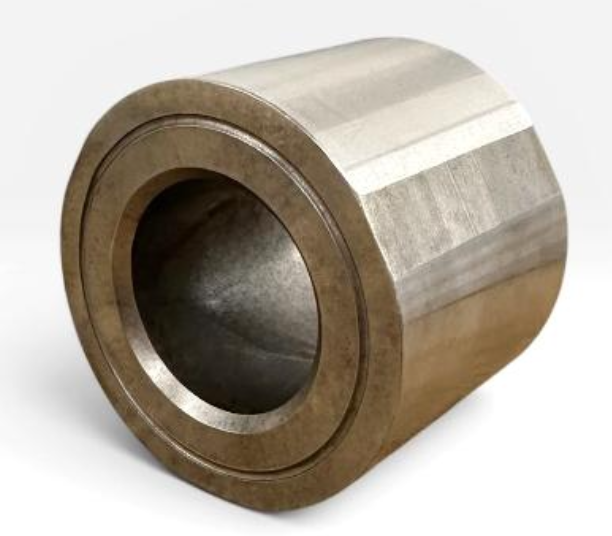
Sleeve
A sleeve provides a renewable running or locating surface inside the drill, positioned so that wear falls on it rather than on the component it protects. That is the whole logic of the part: it is cheaper and quicker to change than what sits behind it, provided it is changed before its wear limit passes. Once clearance opens up, load and movement transfer outward into parts with longer lead times and higher costs. Most operations therefore renew sleeves on interval during scheduled service. Sleeves that look identical often differ between machine generations, so the manufacturer reference is the only dependable way to order one. Stalroc quotes this Sandvik reference by part number with worldwide export, so replacements can be held ready for the next planned window.
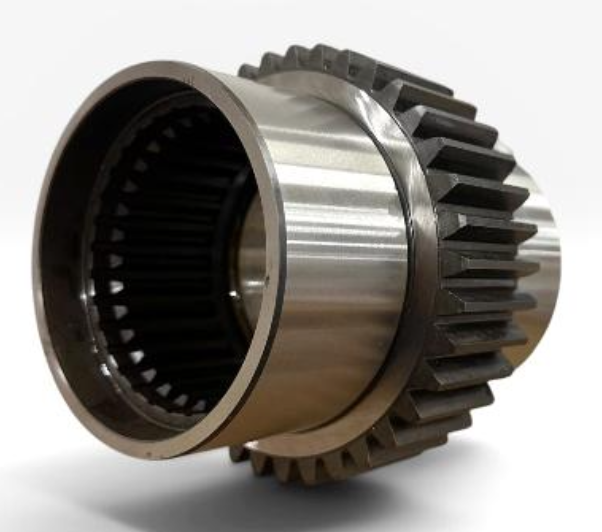
Rotation Bushing
A rotation bushing supports turning movement inside the drill while absorbing wear that would otherwise reach the housing. It works under rotation, percussion shock and abrasive contamination at the same time, which is why it is treated as a scheduled consumable rather than a fit-and-forget component in any serious maintenance regime. Bushings that look alike are frequently not interchangeable between drill models, so ordering by reference rather than by appearance matters here more than most places. Stalroc confirms this Sandvik part number against availability before quoting and exports worldwide, which suits operations that keep a small rotating stock on site rather than a full inventory.